The one-page strategy your team can repeat
A strategy that requires a presentation to understand is not a strategy — it is an aspiration in a container. The test of whether a team's strategy is real is simple: can every member of the leadership team state it, unprompted, in the same way? In most organisations, the answer is no. Ask five executives what the strategy is and you will get five different answers, each technically compatible with the deck and each pointing in a subtly different direction.
The one-page strategy frame forces the editorial discipline that multi-slide decks allow teams to avoid. When the entire strategy must fit on a single page, choices have to be made. Ambiguity becomes visible. Contradictions surface. The team cannot defer the hard conversation about what is actually most important by adding another section.
The four-box frame covers the ground that matters: what we are trying to achieve over the next twelve to eighteen months, the two or three things that must be true for us to get there, the specific actions we are committed to in the next quarter, and the metrics that will tell us whether we are on track. Each box is constrained. The achievement is a single sentence. The must-be-trues are no more than three. The actions have owners and dates.
The value of the one-page format is not compression for its own sake. It is that a strategy on one page can be communicated, tested, and remembered. A manager three levels down can hold it in their head while making a resource decision. A new team member can read it in two minutes and understand what the organisation is trying to do. That repeatability is not a cosmetic benefit — it is how strategy survives contact with the organisation.
This session works through the four-box frame in real time, including the editing process — what gets cut, how to adjudicate between competing items, and how to handle the executive who believes their function's priority is being under-represented.

Smart teams are still underperforming
Late July or August 2026 (date TBC) · 1 hour online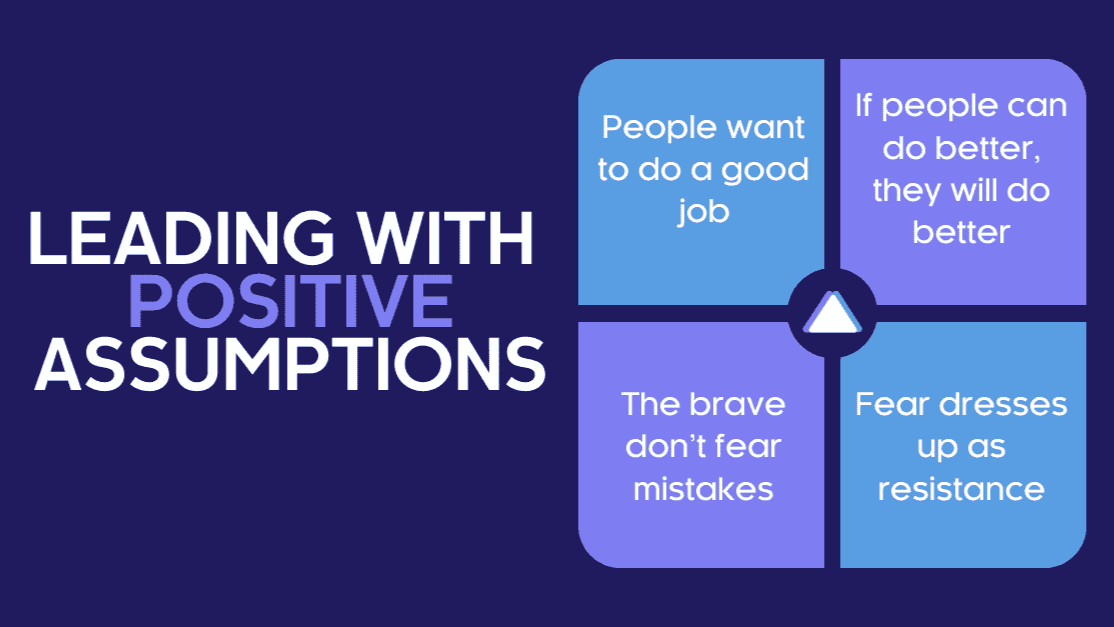
Four positive assumptions that turn mistakes into growth
Anthony Gibbs
Accountability: most teams have an expectation problem
Tuesday 25 February 2026 · 1 hour online
Culture change: myths vs reality — 7 steps that actually work
Anthony Gibbs
Boost your focus — 4 attention-intelligence tools
Anthony Gibbs
Are you busy being inefficient?
Anthony Gibbs
Priority, not priorities — the discipline of choosing
Wed 15 January 2026 · 42 min
Team contracts: what good leadership teams agree out loud
Wed 12 February 2026 · 38 min