What changed, after we were in the room.
A few of the executive teams we've worked with — the situation each was in, the work we did together, and the numbers that survived measurement.
From the team's lowest score to the 85th percentile globally. In eighteen months.
An eleven-person executive leadership team — strong individuals who weren't yet operating as one — rebuilt into a genuine first team. Every behaviour up at re-assessment, benchmarked against teams worldwide.
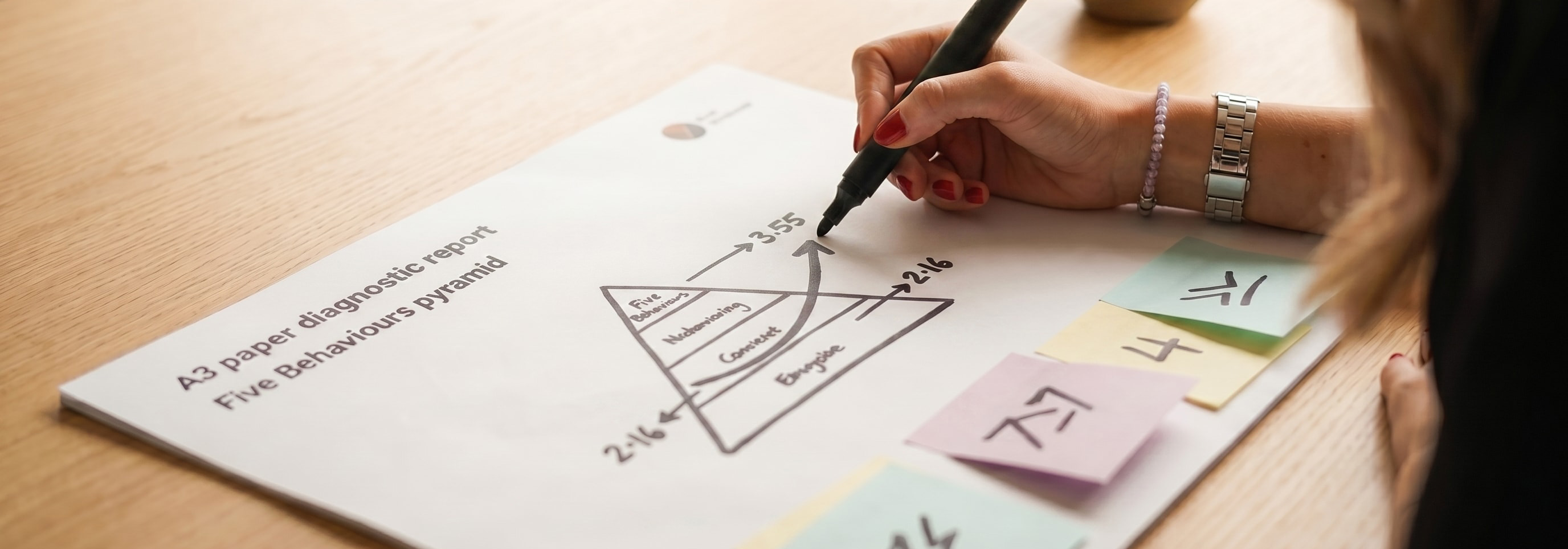
A major Australian industrial organisation operating in the defence sector. Individually excellent leaders who weren't yet working as a single team. On the Five Behaviors diagnostic, trust scored 2.16 out of 5 — the team's lowest result, rated Low on the instrument's scale. The strategy existed; the rhythm and structure to execute it together did not.
Not a workshop — a partnership now into its second year. It opened with a full diagnostic: the Five Behaviors assessment and individual working-style profiles across the leadership team, debriefed in depth. From there, a sequence of facilitated workshops and offsites built the foundations — trust and ways of working on the people side; strategic pillars and a Plan on a Page on the business side. The work cascaded below the executive team, through director-level offsites and senior-managers workshops, and went deeper with individuals, through one-to-one executive coaching across much of the team. Today it runs on a quarterly leadership-team offsite cadence, supported by an operating rhythm, targeted problem-solving sessions, and talent and recruitment support that keep the change embedded between visits.
All five behaviours rose at the re-assessment eighteen months later. Trust climbed from 2.16 to 3.55 — from the team's weakest dimension to a score higher than 84% of teams worldwide. Accountability finished at the 89th percentile, the team's highest global ranking of all five. Of the members surveyed at re-assessment, eight of eight said the team now functions better, and eight of eight said it had become more productive. None disagreed. The partnership continues today.
The most telling number isn't the highest score — it's where the team's hardest behaviour landed. Accountability, the behaviour teams find hardest to build, finished at the 89th percentile — higher than 88% of teams assessed worldwide.
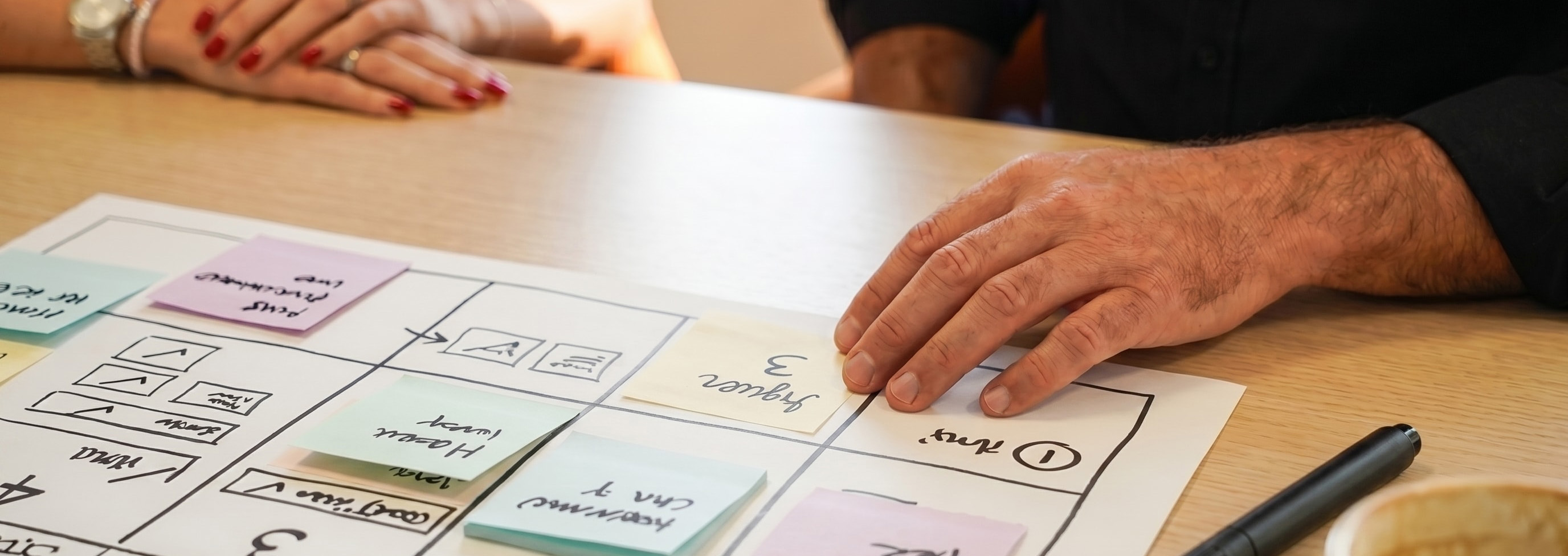

A fast-scaling group, one strategy on a page, and an executive team that ran with it.
Scaling nationally, Hickory needed one clear strategy the executive team could align behind and execute — a Plan on a Page they'd own, not another document. Two days offsite built it. The team has run with it since.
A national construction group scaling fast, with strong leaders and real momentum. What it didn't yet have was one clear strategy captured in a single, shared form the executive team could align behind and execute. Priorities competed for attention. Direction lived in people's heads and across documents, rather than on one page the whole team owned and worked from.
Strategy-to-execution work, built with the team in the room. A short diagnostic first, then two focused days offsite: turning broad direction into a Plan on a Page — strategic pillars, the priorities that matter, and the few moves that count — alongside a one-, three- and five-year roadmap, clear ownership, and an operating rhythm to keep it moving. Not a plan handed down; one the executive team shaped and committed to.
One strategy on a page the executive team owns — pillars, priorities, and the roadmap to deliver them — with clear ownership and an operating rhythm to hold it between sessions. And the part that matters most: since the offsite, the team has taken the plan and run with it, with the discipline and accountability to keep it moving without us in the room.
We engaged Tenaxiti to help our executive team step back from the day-to-day and develop a clear strategic roadmap for the next 1, 3 and 5 years, all while keeping business-as-usual running smoothly. Over two focused days, we were able to map out quarterly objectives and put the right accountability structures in place to actually follow through. What surprised us most was how the process brought our leadership team together in a way we hadn’t experienced before. The activities genuinely fostered trust and created space for real, open conversations. Anthony and Shannon were exceptional, the way they engaged with our team and challenged us to move beyond our standard thinking into genuine future-focused growth was something special to witness.
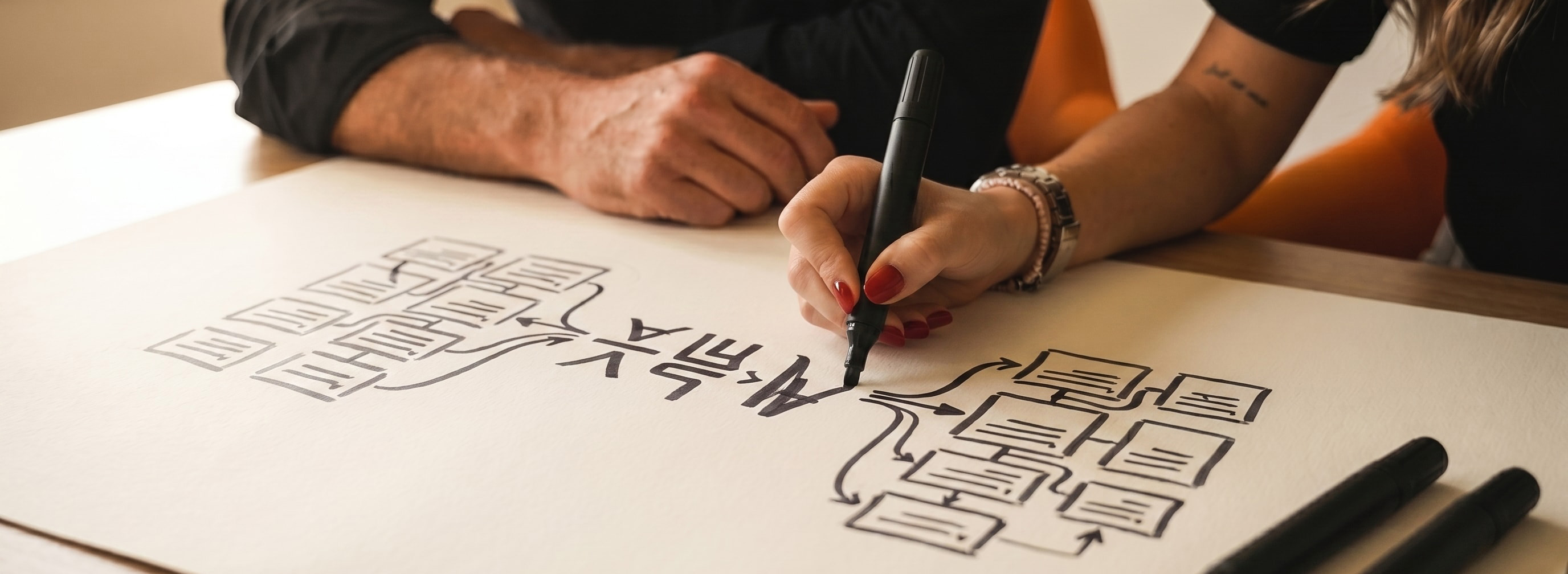
Rebuilding the cross-functional conversation that had quietly broken down.
Functional silos, low mutual understanding between teams, and email standing in for conversation. Workshop sessions reset the dialogue.
Functional silos across the business. Low mutual understanding of each other's roles and challenges. A default to email over direct conversation. The capability was there — the connecting tissue between functions was not.
Workshop sessions built to give leaders and their teams practical tools for open dialogue when issues arise. Reframing how teams approach day-to-day friction. Choosing direct conversation over escalation.
Cross-functional communication restored across business units. Tools for open dialogue that stayed in the room after we left. More understanding of, and respect for, each team's roles and pressures. A lasting shift in how the organisation handles everyday friction.
Tenaxiti helped Bowen Rail reset interdepartmental dynamics to re-establish open lines of communication across business functions and increase understanding of, and respect for, each team's roles and challenges. Tenaxiti’s workshop sessions equipped leaders and team members with tools that have helped our people to engage in open dialogue when issues do arise, reframe the way they approach day to day challenges, and prioritise conversations over emails.

Outcomes that hold after we leave the room.
Four outcomes we measure every engagement against. None of them are about the deck.
A leadership team that executes its strategy.
Decisions owned at the right level.
Accountability that lives in behaviour.
An organisation that runs without us in the room.

Measured in teams, years, and results.
It brought our leadership team together in a way we hadn't experienced before.
The end result was a plan collectively owned by the operating sites and the broader regions.
Tenaxiti reset our interdepartmental dynamics, re-establishing open communication and respect across business functions.
Every engagement, written up.