"If I hold my people accountable, they'll leave."
And look — in industries where good people are hard to find, I get the fear. When you're short-staffed, it can feel safer to tolerate poor behaviour than risk losing someone.
But here's the quiet cost: it punishes your best people.
- They pick up the slack.
- They get less feedback.
- They lose trust in fairness.
- They burn out.
That's how you lose your high performers.
Most people aren't afraid of accountability. They're afraid of blame, gotchas, and public shame.
The shift
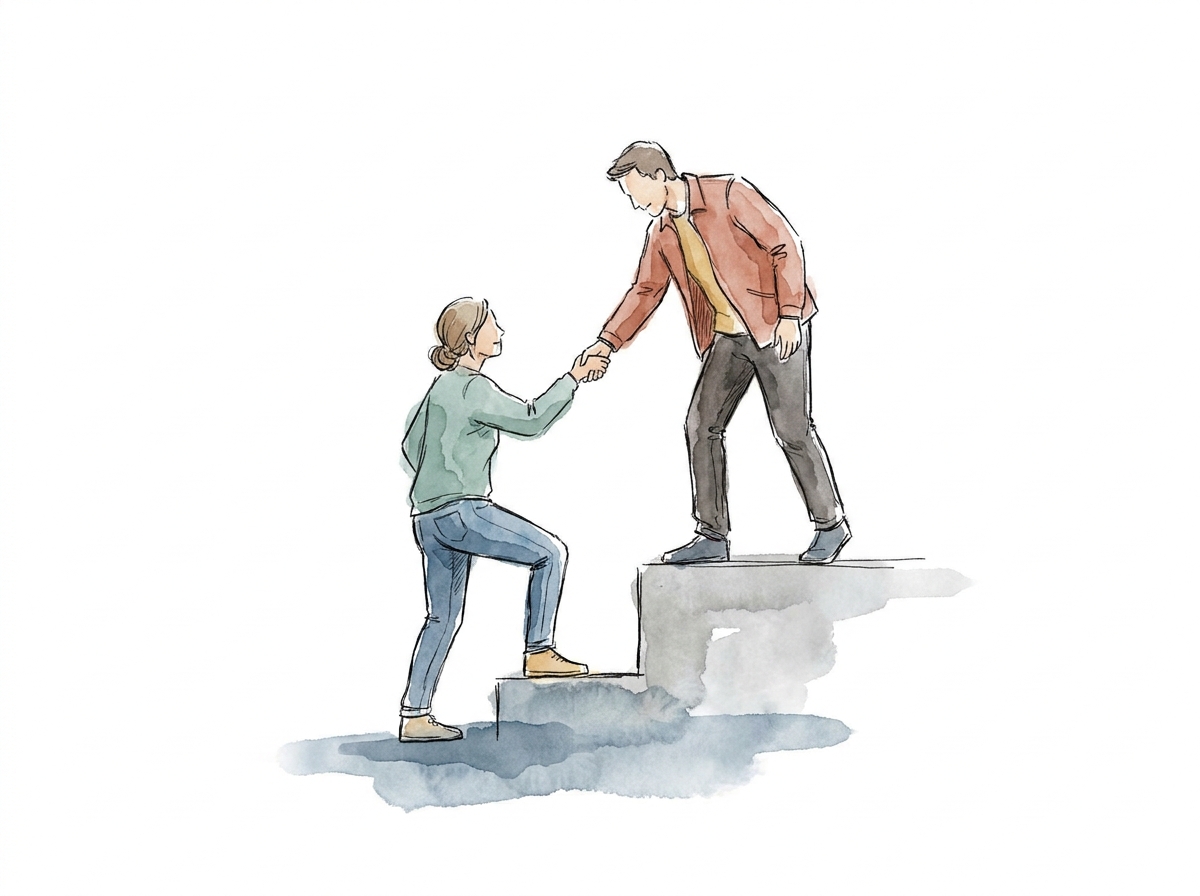
Accountability isn't punishment. It's clarity plus support.
The good kind of accountability looks like this:
- Clear expectations. What good looks like, by when, and why it matters.
- Shared goals. Agree the target together so it's owned, not forced.
- Fast, fair feedback. Don't wait until it's a big issue.
- Support to lift. Coaching, tools, time, and removing blockers.
- Consistency. Be predictable across the team.
When you do it this way, accountability becomes a form of respect:
"I believe you can meet the standard — and I'll back you to get there."
That's the kind of workplace good people stay for.