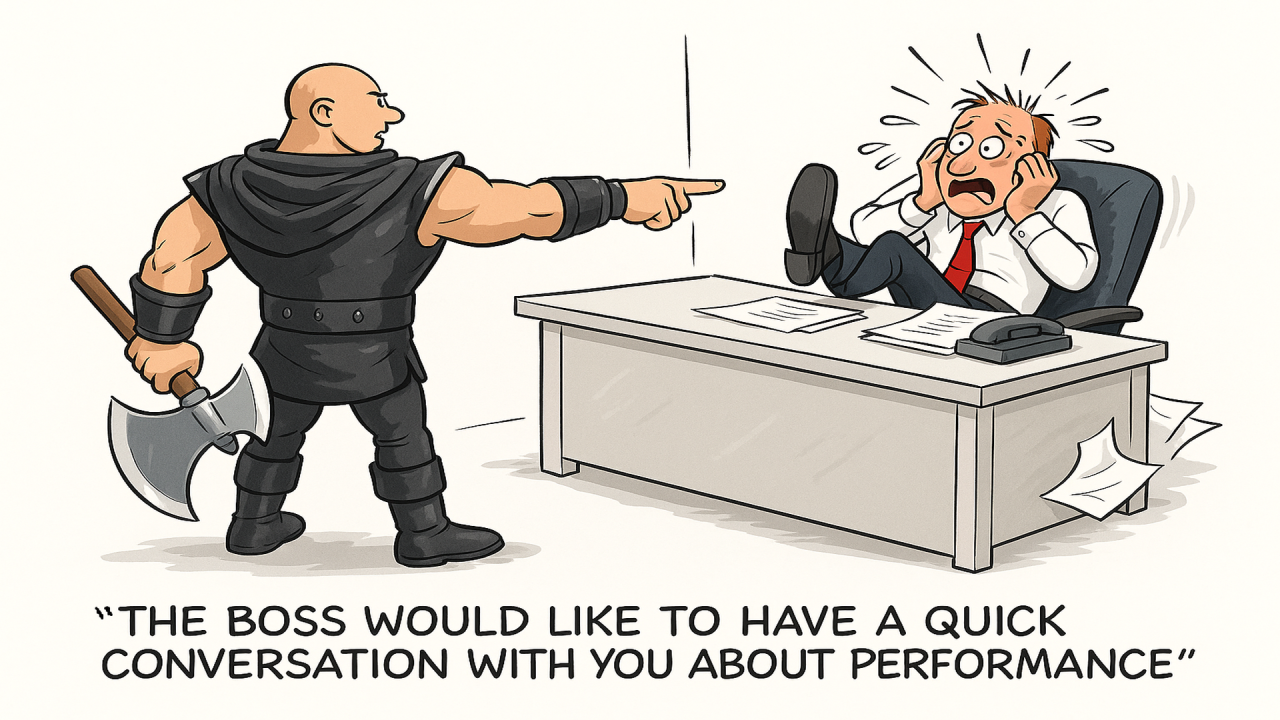
A disagreement protocol that makes conflict useful
Most leadership teams have learned to avoid real disagreement. The combination of hierarchy, political risk, and time pressure produces a pattern where conflict is managed rather than resolved — surfaced enough to feel heard, suppressed enough not to disrupt. The result is a team that appears aligned and repeatedly revisits the same decisions, because the underlying disagreements were never worked through.
Conflict is not the problem. Unproductive conflict is the problem. A team that can disagree well — that can surface a genuine difference, work through it with rigour, reach a position that reflects the best available thinking, and then close the conversation — is faster and more effective than a team that avoids conflict and accumulates unresolved tension.
A disagreement protocol is a set of shared steps that a team commits to using when a real difference of view emerges. It is not a mediation process. It is a structure that makes the disagreement productive by ensuring that each position is stated clearly, the underlying concerns are surfaced (not just the positions), the decision-relevant information is identified, and the team reaches a conclusion that is explicitly held, even if not universally preferred.
The protocol only becomes valuable the third time you use it — when the issue is genuinely high-stakes, the disagreement is between powerful people, and the pressure to default to either conflict avoidance or dominance is strong. The first two uses are practice. By the third use, the team has a shared reference and can invoke the protocol without it feeling like a procedure.
This session covers the four-step protocol in detail, how to introduce it without making it feel like a change management initiative, and what it looks like to use it on a real disagreement in a real executive team.

The Four Types of Conflict That Trip Teams Up
Team, Conflict, LeadershipApril 2026 · 8 min read
The bridge that links behaviours to business goals
Anthony Gibbs
Smart teams are still underperforming
Late July or August 2026 (date TBC) · 1 hour online
Team contracts: what good leadership teams agree out loud
Wed 12 February 2026 · 38 min
Breaking bad habits — a simple framework that works
Anthony Gibbs
Commit, don't comply: how leadership teams really agree
Wed 9 July 2026, 11:00 AEST · 40 min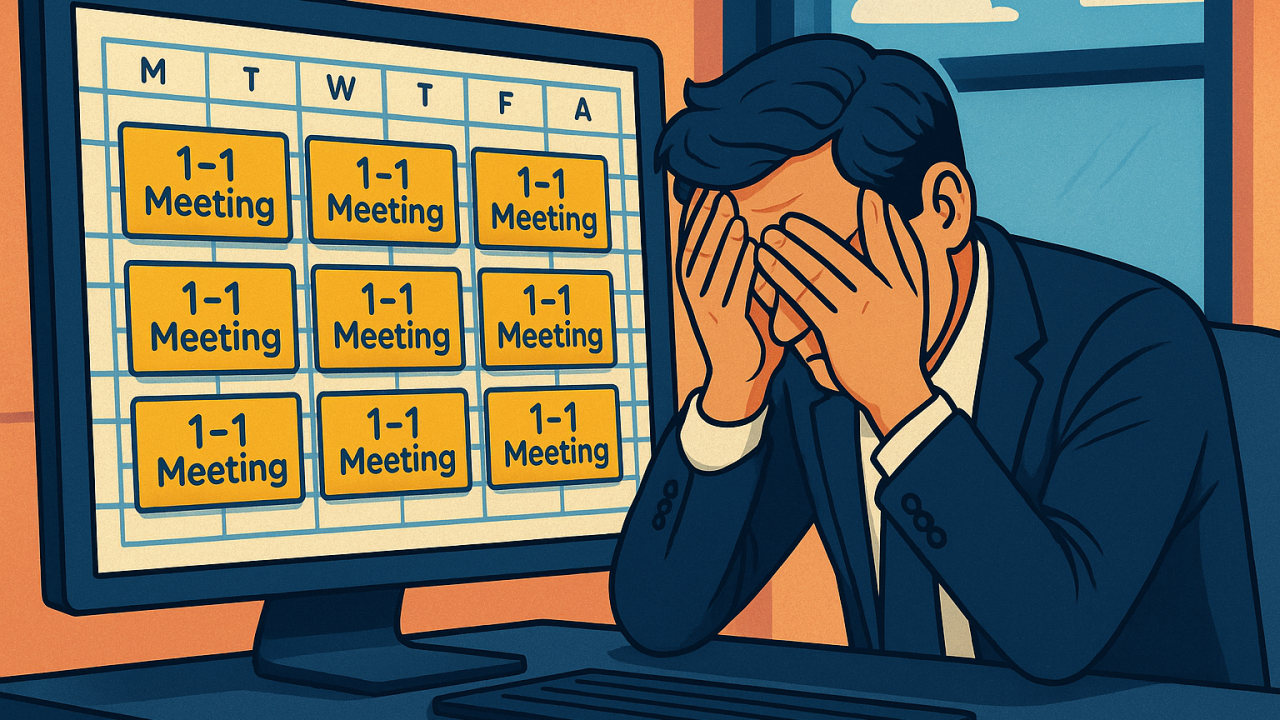
Are your 1:1s just calendar noise?
Anthony Gibbs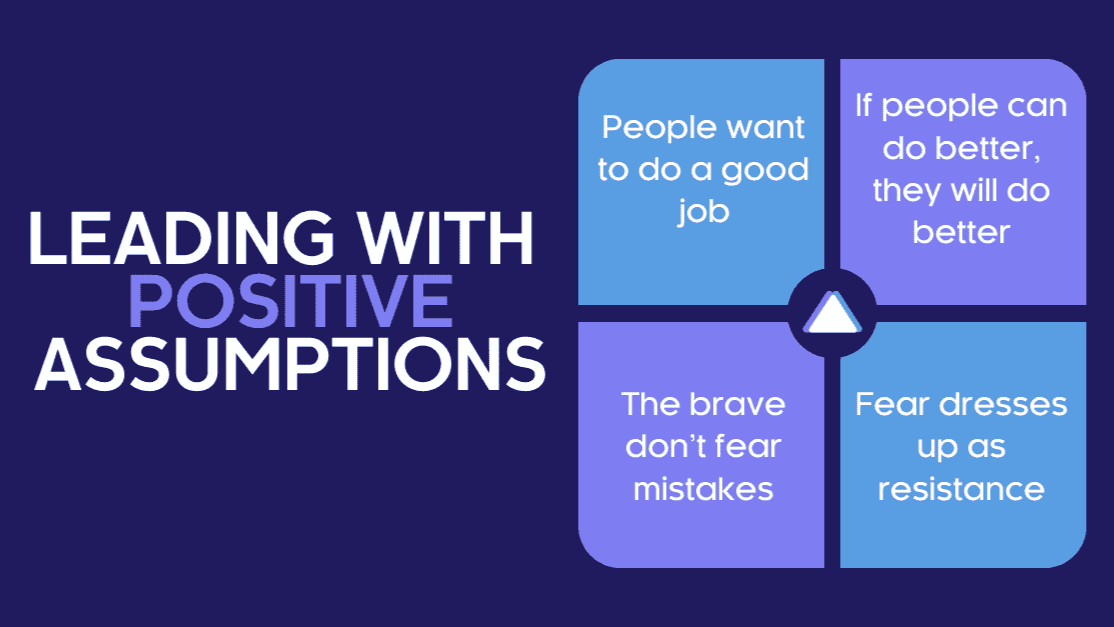
Four positive assumptions that turn mistakes into growth
Anthony Gibbs