Commit, don't comply: how leadership teams really agree

Compliance and commitment look identical in a meeting. Both produce a nodding head and a note in the action register. The difference only surfaces when the work gets difficult — when resources are scarce, priorities conflict, or the original decision is inconvenient. At that point, compliance evaporates. Commitment holds.
Most leadership teams have more compliance than they realise. People learn, over time, that full objection is expensive and silent agreement is cheap. The result is a decision log full of approvals that nobody actually owns, and a persistent confusion about why decisions made at the top don't seem to change anything at the bottom.
Surface tests are small moves a leader can make in any meeting to distinguish real commitment from polite agreement. They are not confrontational — they are clarifying. Asking someone to state what they will stop doing to make room for what they've agreed to is a surface test. Asking what would cause them to raise a flag is a surface test. Both make the cost of the commitment legible before it matters.
Renegotiation is the other half of the picture. Teams that treat commitments as permanent create a system where people comply rather than surface problems, because surfacing a problem looks like failure. A team with a working renegotiation norm — where changing a commitment is treated as a legitimate act requiring a proper conversation, not a quiet drift — gets better information and better follow-through.
This session covers the three surface tests that work in any executive context, the conditions under which compliance most commonly masquerades as commitment, and how to establish a renegotiation norm that strengthens rather than undermines accountability.

Five questions for an honest leadership-team health check
Wed 9 October 2025 · 32 min
Making the complex simple: a leadership team's job
Wed 21 May 2026, 11:00 AEST · 45 min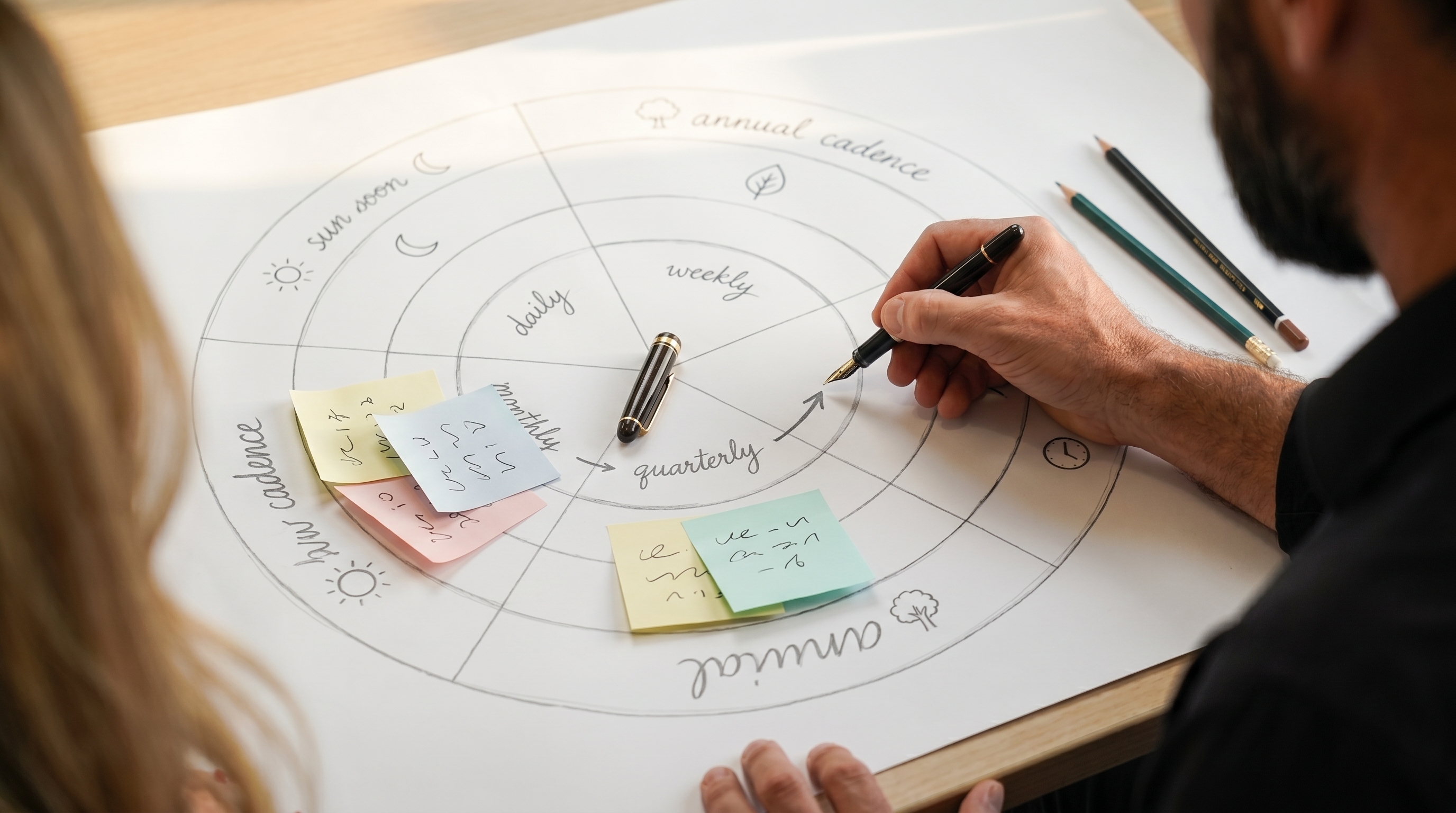
A meeting rhythm that actually moves work
Operating Rhythm, Execution, MeetingsFebruary 2026 · 8 min read
Priority, not priorities — the discipline of choosing
Wed 15 January 2026 · 42 min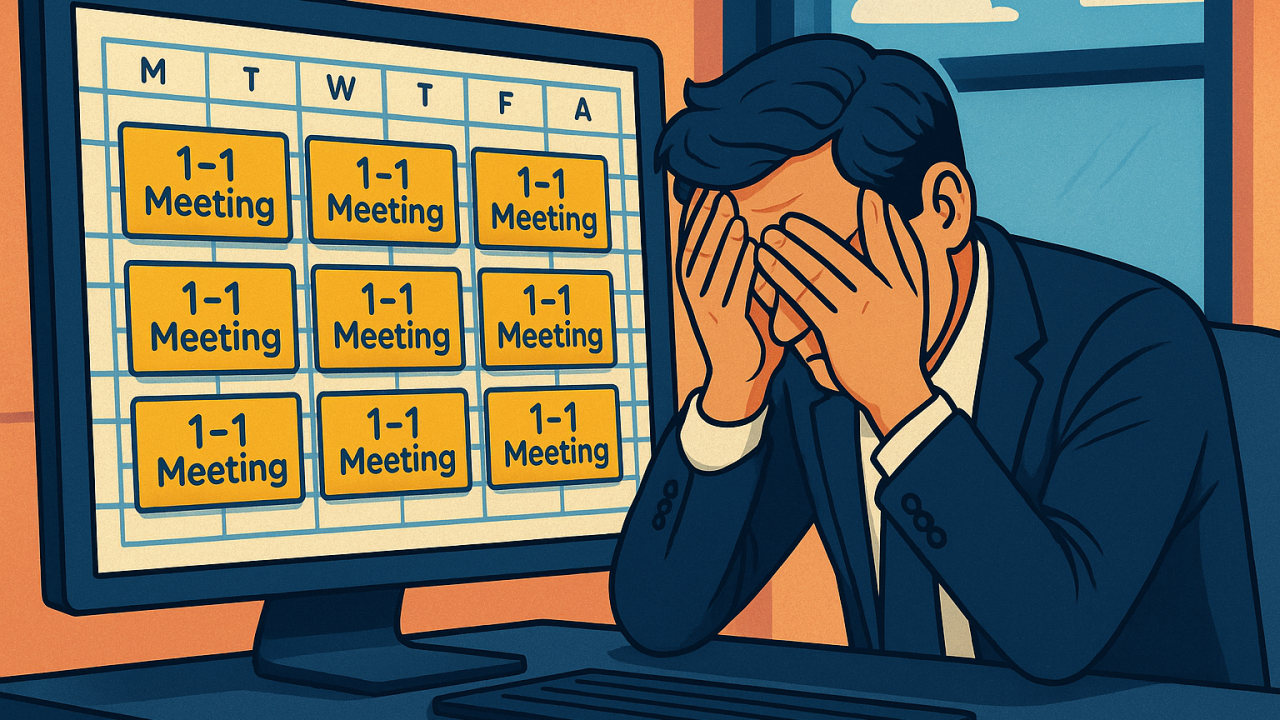
Are your 1:1s just calendar noise?
Anthony Gibbs
Designing an offsite that actually changes things
Tue 17 June 2026, 11:00 AEST · 45 min
Treat your meeting cadence like a product
Wed 11 September 2025 · 38 min
The four common types of team conflict (and what to do about each)
Tenaxiti