If you're leading a business, you've likely experienced this firsthand: your strategy is sound, your structure looks right on paper and yet something isn't landing. Engagement is patchy, execution lags, and silos persist. It feels like a people problem, yet nothing you do seems to have the impact you want.
Culture change is complex. It's not a communications campaign, it's not a set of values on a wall and it's not something you can hand over to HR and hope it sticks. We've walked this road ourselves, both as executive leaders and alongside our partners as business psychologists. While every set of business conditions is unique, we've noticed recurring themes across the numerous projects we've been involved in.
This isn't a toolkit of theory. It's a practical, no-nonsense roadmap we've used with CEOs, executive leadership teams and frontline leaders navigating high-stakes transformation.
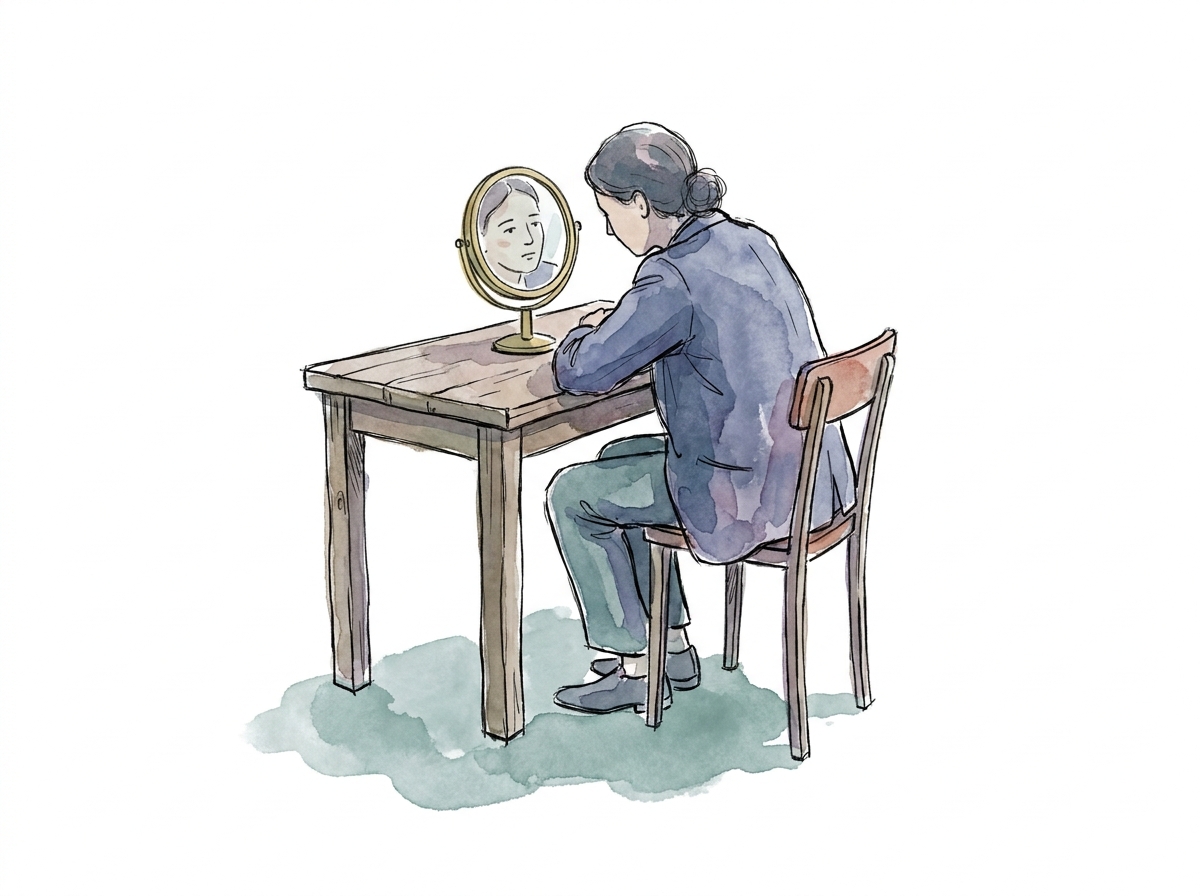
Step one: start with you
Myth: ‘People are the problem.’
Reality: Culture starts with leadership assumptions, decisions, and behaviours.
Common risks include allowing outliers to shape your overall view and expecting buy-in before showing up differently yourself.
Before shifting anything externally, leaders need to examine what they are reinforcing internally through their own behaviour, language and decision-making. Culture is always watching leadership first.
Step two: get the real story

Myth: ‘We already know what's going on.’
Reality: Direct reports filter information and culture is experienced, not announced.
Common risks include responding defensively to uncomfortable feedback and skipping sense-making before taking action. Culture diagnosis is not about the volume of data. It is about the honesty of the signal.
Step three: drive the culture or it will drive you
Myth: ‘Culture is separate to strategy.’
Reality: Strategy, culture, and execution are deeply interconnected, but culture must be made tangible.
Common risks include leaving culture to “take care of itself” and treating it as a one-off initiative rather than a daily leadership responsibility. Culture is not what you say. It is what gets repeated.
Step four: obsess over execution and measure progress
Myth: ‘We've launched the values, now the shift will happen.’
Reality: Without operational rhythm and executive ownership, plans stall.
Common risks include overcomplicating priorities, under-communicating expectations and treating culture as an annual exercise rather than an ongoing leadership discipline. When execution is inconsistent, culture becomes symbolic instead of lived.
Step five: focus on a common goal
Myth: ‘We've messaged it, people should know what we stand for.’
Reality: In change, attention is fragmented and leaders must reinforce meaning consistently.
Common risks include assuming one communication is enough and relying on generic language that does not connect emotionally. Clarity is not created once. It is reinforced continuously.
Step six: act, don't wait
Myth: ‘We'll act once the timing is right.’
Reality: Conditions are rarely perfect. Change gains traction through visible progress.
Common risks include tolerating misalignment from senior leaders and losing momentum once external pressure fades. Momentum is not maintained by planning. It is maintained by action.
Step seven: reinforce and keep listening
Myth: ‘We've communicated the change, now it's embedded.’
Reality: Culture is dynamic and requires ongoing reinforcement, feedback, and role-modelling.
Common risks include focusing only on formal data and ignoring informal signals, and assuming silence equals alignment. Culture does not settle. It evolves based on what is reinforced daily.
Final thought
If you are looking for a practical and sustainable way to shift culture and unlock the full potential of your greatest asset — your people — the starting point is not more complexity. It is clarity, consistency, and leadership alignment.