Operating rhythm: the quiet lever for execution
The calendar is the most honest strategy document in any organisation. It shows, without editorialising, where attention actually goes. Most leadership teams discover, when they audit their calendar against their stated priorities, that the two are substantially misaligned. The calendar is not the problem — it is the symptom.
An operating rhythm is the set of recurring structures through which a leadership team does its work: what meetings happen, at what cadence, with what purpose, and who is in the room for which conversations. Most operating rhythms are inherited rather than designed. They accumulate over time, reflecting historical needs and political compromises rather than the current strategy.
Redesigning an operating rhythm is not about running fewer meetings. It is about ensuring that the right conversations happen at the right frequency, with the right people, and with a clear decision-making mandate. A monthly leadership meeting that reviews last month's numbers in real time is not an operating rhythm — it is a reporting ceremony. An operating rhythm surfaces the decisions that need to be made before they become crises.
Metrics discipline is inseparable from this. The executives who attend a meeting drive its quality. If the standing agenda is built around a dashboard of lagging indicators that nobody can influence in the room, the meeting will produce discussion, not decisions. The redesign question is always: what is this meeting for, and what would a good outcome look like?
This session covers three specific meeting redesigns that compound over time — a weekly leadership check-in, a monthly operating review, and a quarterly direction-setting session — and the lightweight metrics architecture that makes each of them useful.
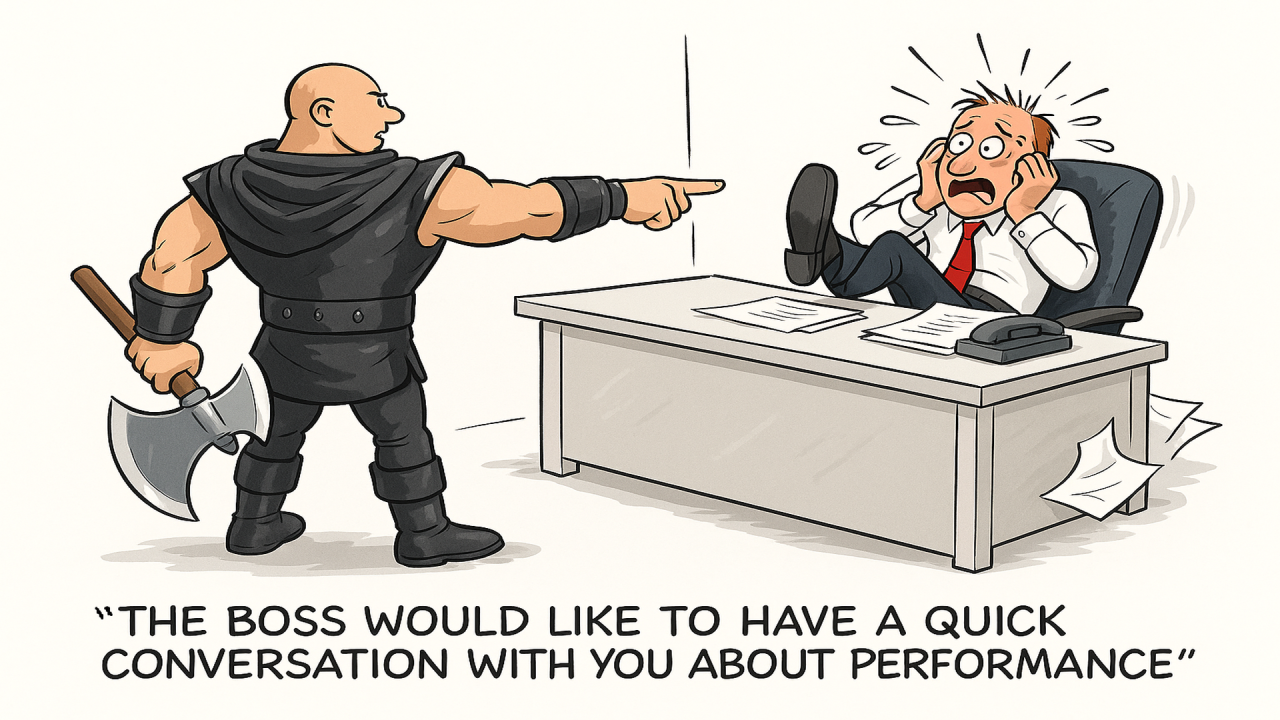
7 tips for performance conversations that actually work
Anthony Gibbs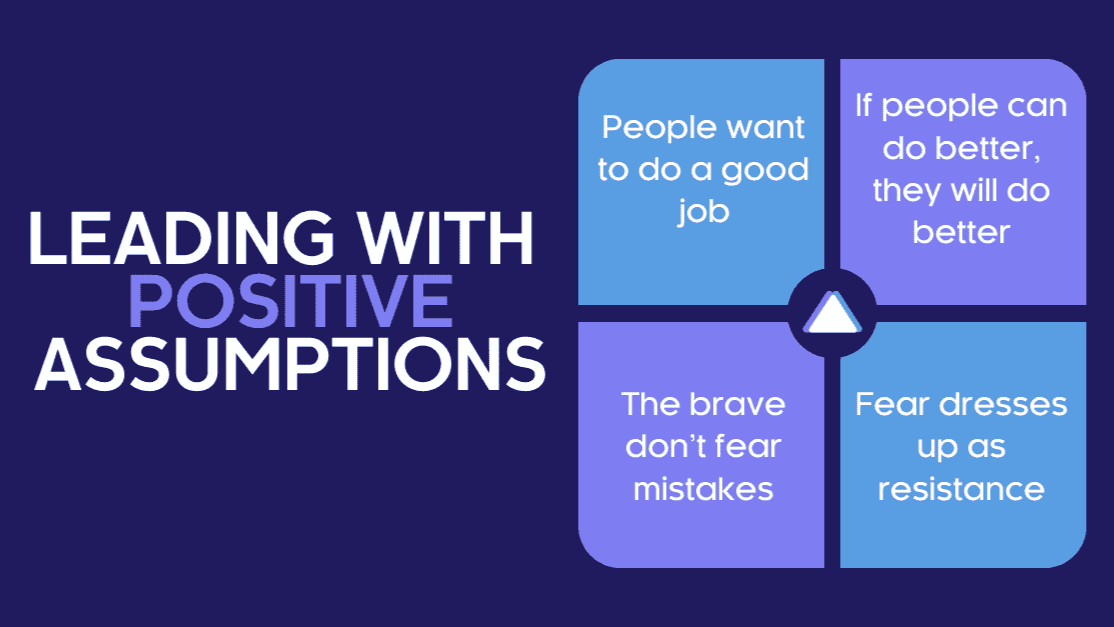
Four positive assumptions that turn mistakes into growth
Anthony Gibbs
Designing an offsite that actually changes things
Tue 17 June 2026, 11:00 AEST · 45 min
A disagreement protocol that makes conflict useful
Wed 6 November 2025 · 34 min
The bridge that links behaviours to business goals
Anthony Gibbs
The Four Types of Conflict That Trip Teams Up
Team, Conflict, LeadershipApril 2026 · 8 min read
Treat your meeting cadence like a product
Wed 11 September 2025 · 38 min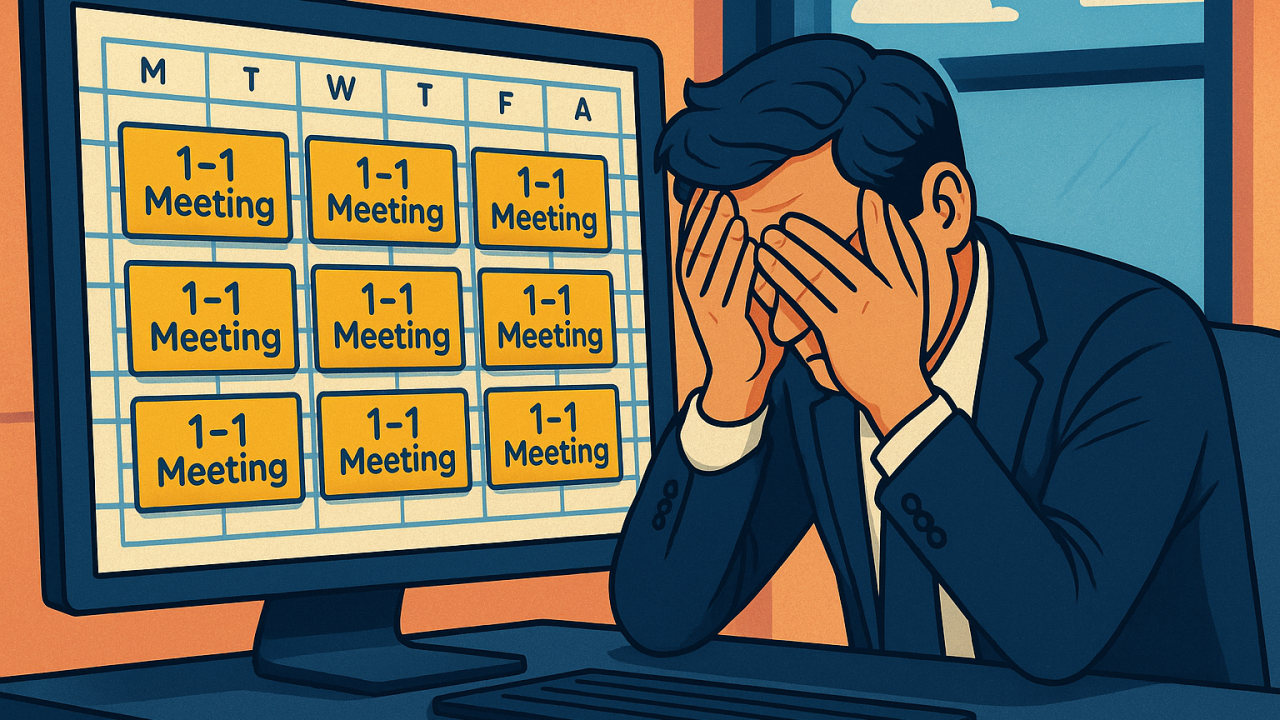
Are your 1:1s just calendar noise?
Anthony Gibbs