Making the complex simple: a leadership team's job

Most strategies are clear on paper and opaque in practice. Leadership teams spend months building a direction, then watch it dissolve somewhere between the executive floor and the people doing the work. The problem is rarely the strategy itself — it is the translation layer, or the absence of one.
Complexity is not inherent in the work. It is manufactured. It accumulates through unclear accountabilities, competing priorities, layered approvals, and language that means different things to different functions. A leadership team that does not actively simplify will, by default, produce complexity.
The four-phase model — Understand, Align, Connect, Commit — exists to close that gap. Each phase addresses a specific failure point: the failure to build a shared picture of reality, the failure to choose, the failure to communicate decisions across functions, and the failure to hold commitments once the room clears.
Simplifying does not mean dumbing down. It means removing everything that does not carry weight. A strategy that can be stated in a single sentence, acted on at every level, and tested against real decisions is more powerful than a fifty-slide deck that requires a guide to interpret.
The leadership team's job is not to have the best ideas. It is to create the conditions in which good ideas get executed. That requires radical clarity about what matters, genuine agreement on trade-offs, and a cadence that keeps the organisation pointed in the right direction without constant intervention from the top.
This session walks through the practical moves: how to audit where complexity is entering your system, how to use the one-page strategy frame to force editorial discipline, and what "Monday actions" look like for a team that decides to take simplification seriously.

The Four Types of Conflict That Trip Teams Up
Team, Conflict, LeadershipApril 2026 · 8 min read
The four types of conflict that trip teams up and how to lead through them
Tenaxiti
The four types of conflict that trip teams up — and how to lead through them
Anthony Gibbs
Priority, not priorities — the discipline of choosing
Wed 15 January 2026 · 42 min
Commit, don't comply: how leadership teams really agree
Wed 9 July 2026, 11:00 AEST · 40 min
A disagreement protocol that makes conflict useful
Wed 6 November 2025 · 34 min
"If I hold my people accountable, they'll leave"
Leadership, Accountability, RetentionFebruary 2026 · 4 min read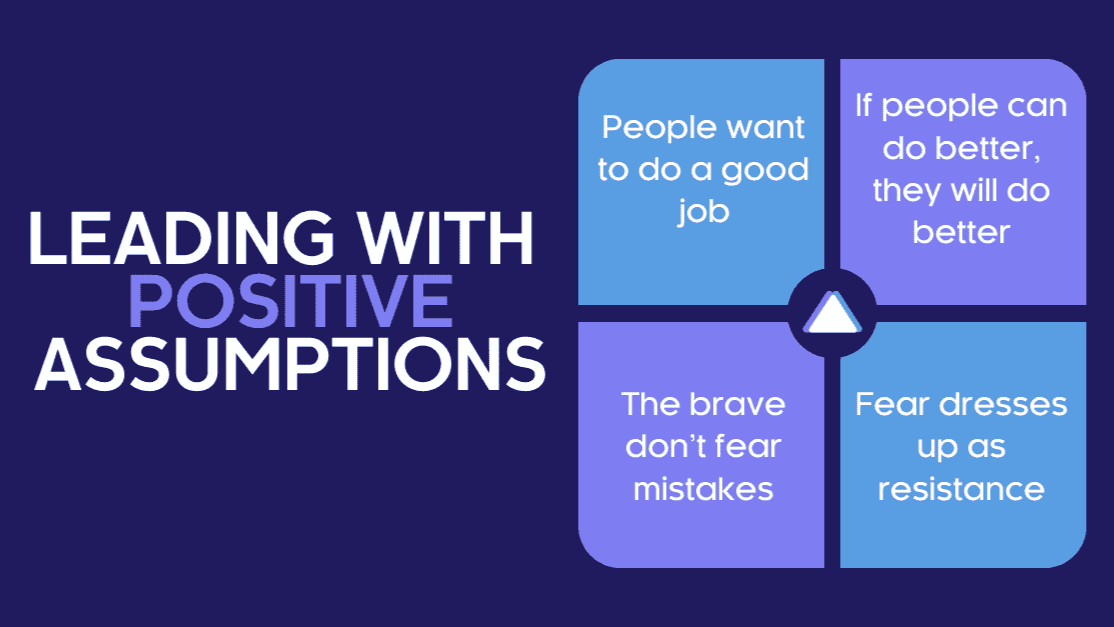
Four positive assumptions that turn mistakes into growth
Anthony Gibbs