Treat your meeting cadence like a product
A meeting is a product with users, a job to be done, and a quality standard it either meets or doesn't. Most organisations do not treat it that way. Meetings are inherited, duplicated, and expanded over time, and the default response to a meeting that is not working is to make it longer, add more attendees, or hold a separate meeting to discuss what the original meeting should have resolved.
The product framing changes the question from "how do we run this meeting better?" to "is this meeting the right design for the outcome we need?" A weekly leadership team meeting that exists to update the leader is a different product from one that exists to make the three decisions that have been waiting. The design — agenda, attendees, inputs, duration, decision-making format — follows from the purpose, not from convention.
The three redesigns that produce the most compound value are: replacing status updates with exception-based reporting, restructuring the standing agenda around live decisions rather than historical review, and separating operational cadence meetings from strategic direction sessions. Each of these changes the nature of the conversation the team has, not just the efficiency with which it has the existing conversation.
Killing meetings is a legitimate act of leadership. A meeting that no longer has a clear purpose, that could be replaced by an asynchronous update, or that exists primarily to manage visibility rather than make decisions should be retired. The social contract around killing meetings — who can do it, under what conditions, and how the need it was serving gets met differently — is worth making explicit.
This session covers the three redesigns in practical detail, the decision framework for evaluating whether a meeting should be killed or redesigned, and how to manage the transition without creating the impression that the leadership team has become less available or less connected to the organisation.

Making the complex simple: a leadership team's job
Wed 21 May 2026, 11:00 AEST · 45 min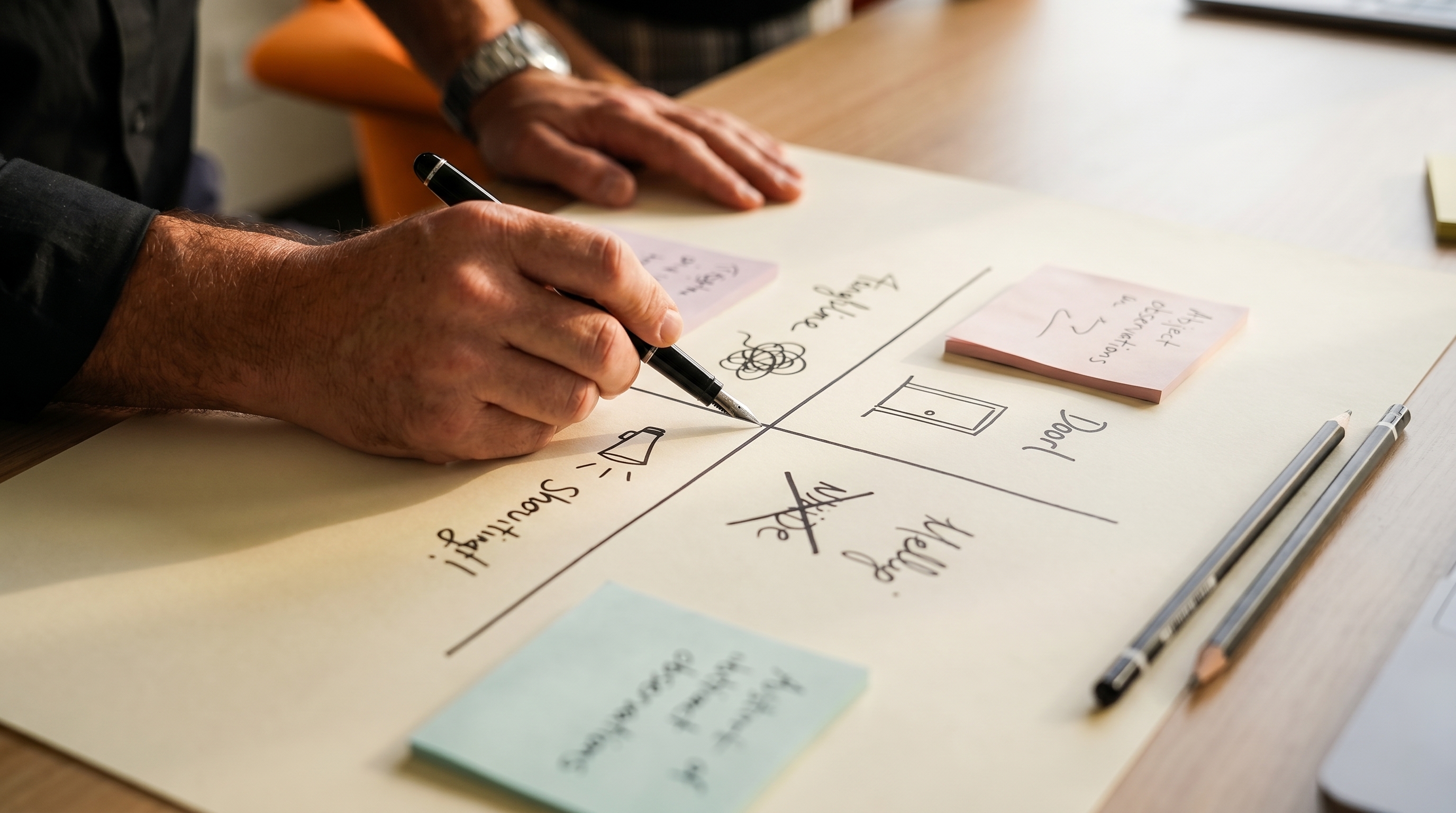
The Four Types of Conflict That Trip Teams Up
Team, Conflict, LeadershipApril 2026 · 8 min read
Boost your focus — 4 attention-intelligence tools
Anthony Gibbs
Smart teams are still underperforming
Late July or August 2026 (date TBC) · 1 hour online
Are your 1:1s just calendar noise?
Anthony Gibbs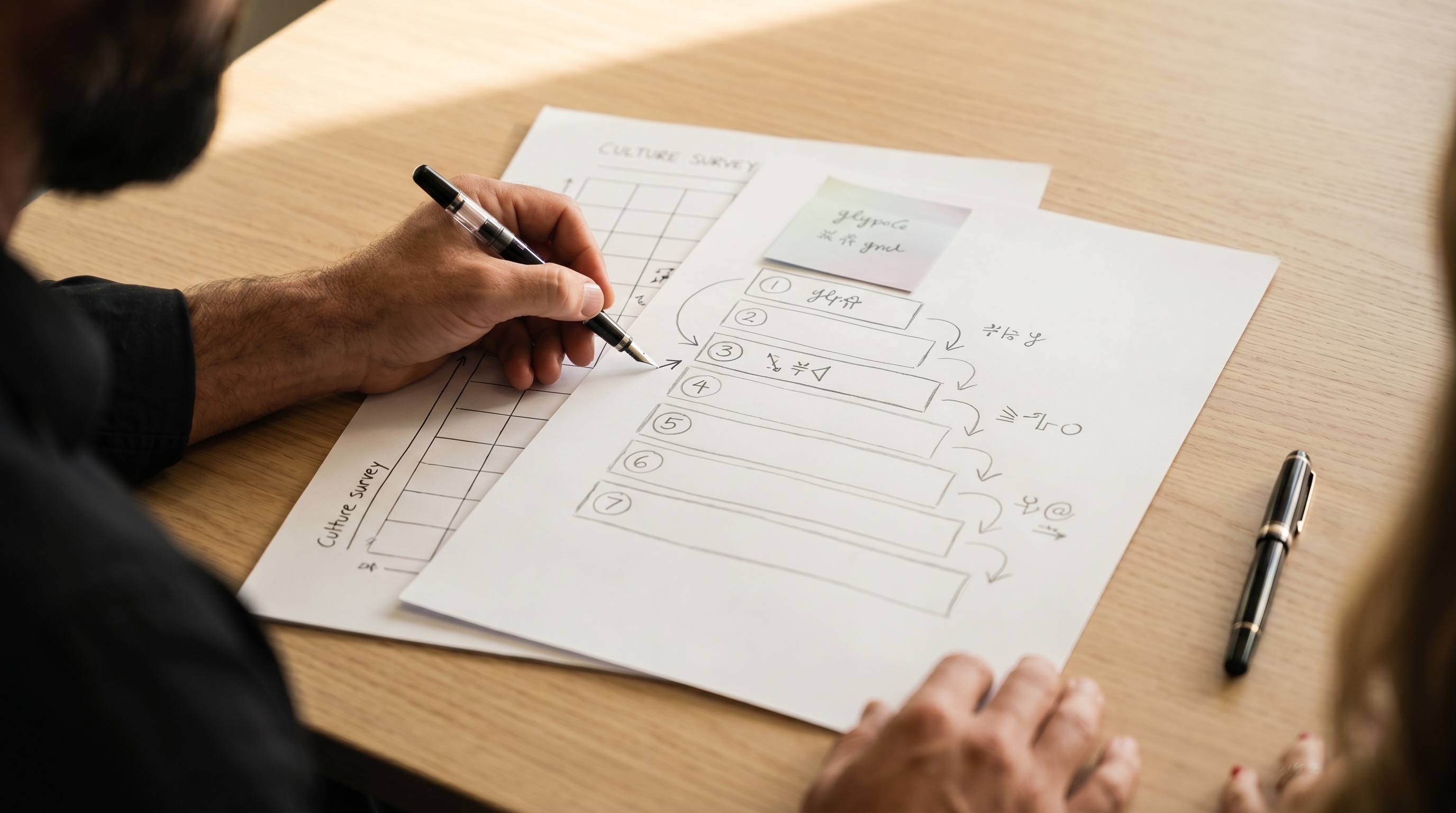
Culture change: myths vs reality — seven steps that actually work
Culture, Change, LeadershipMay 2026 · 9 min read
The four types of conflict that trip teams up and how to lead through them
Tenaxiti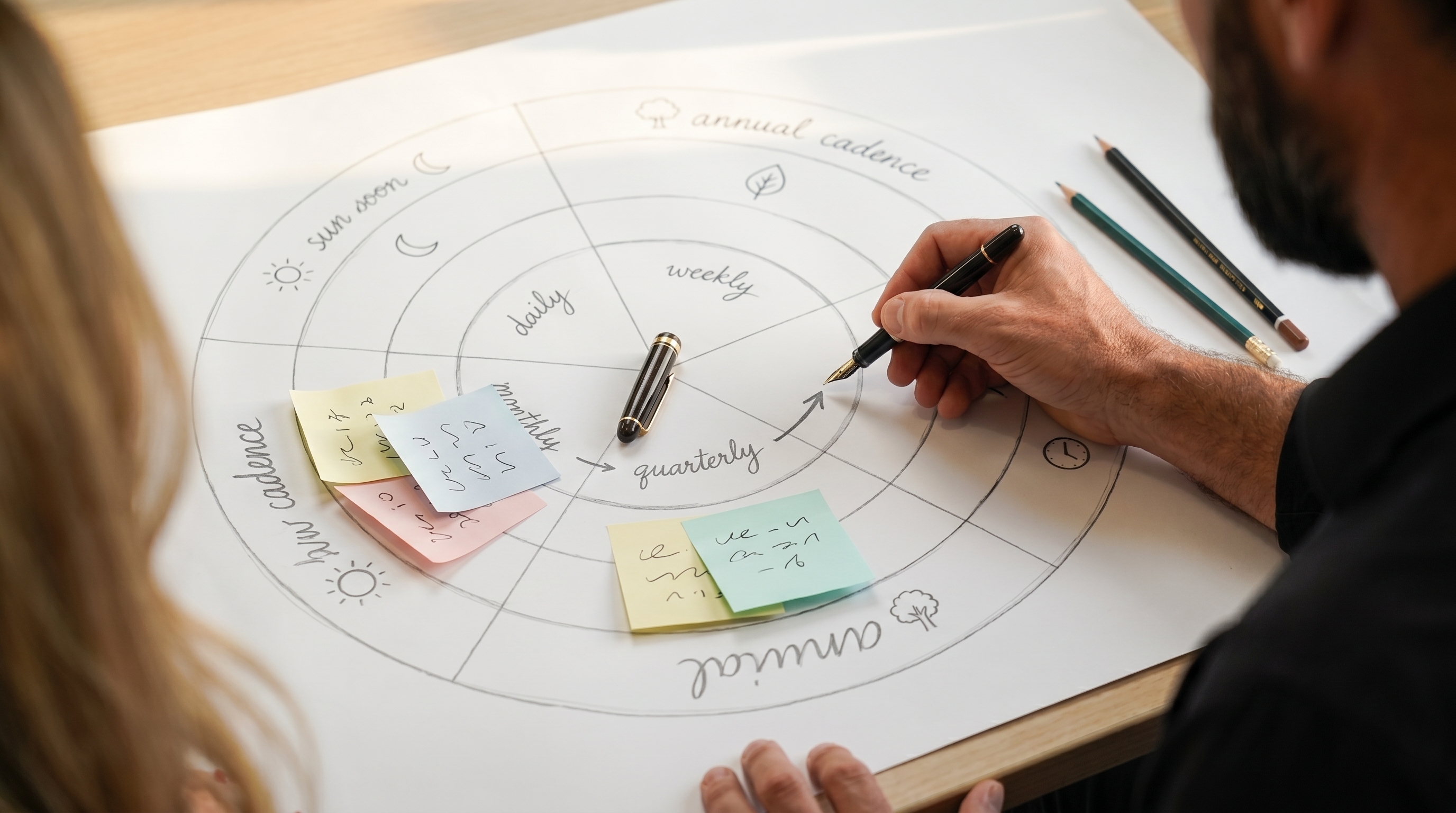
A meeting rhythm that actually moves work
Operating Rhythm, Execution, MeetingsFebruary 2026 · 8 min read