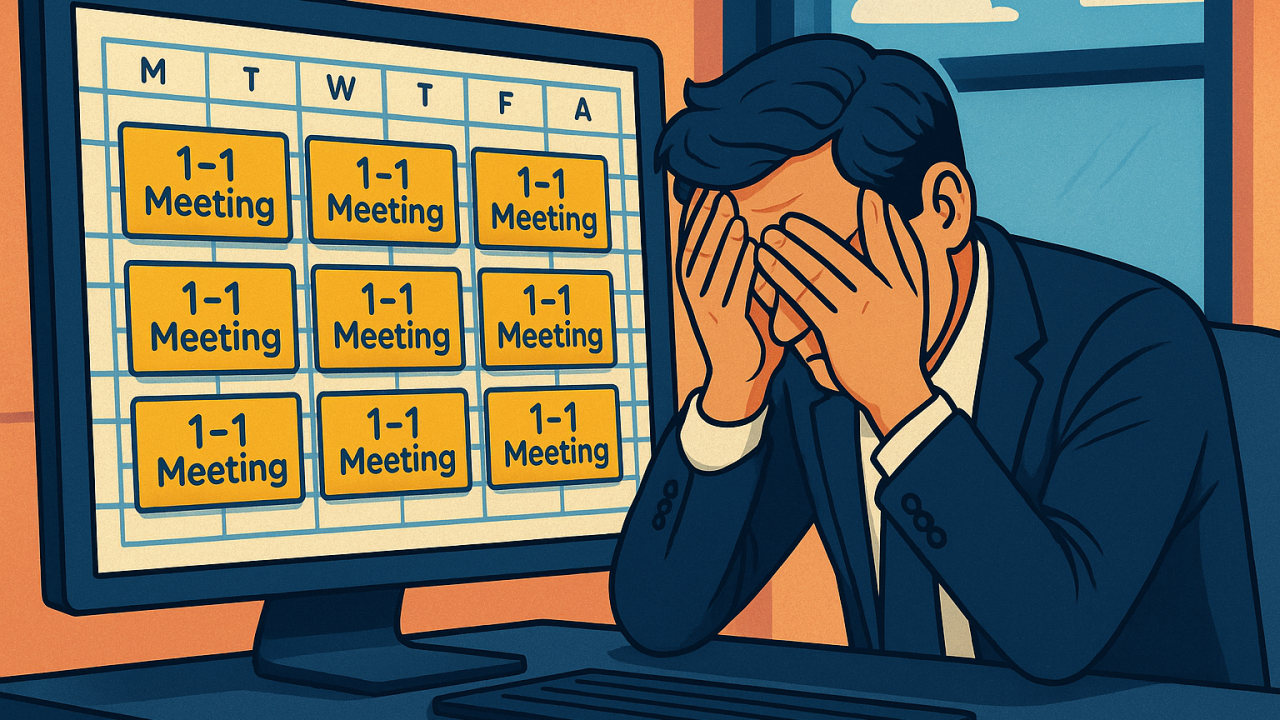
Let's face it — performance conversations can feel like flossing: necessary, uncomfortable, and easy to avoid. But avoiding a bit of discomfort now can turn into a costly and painful experience later on.
1. Choose your frame, control the game
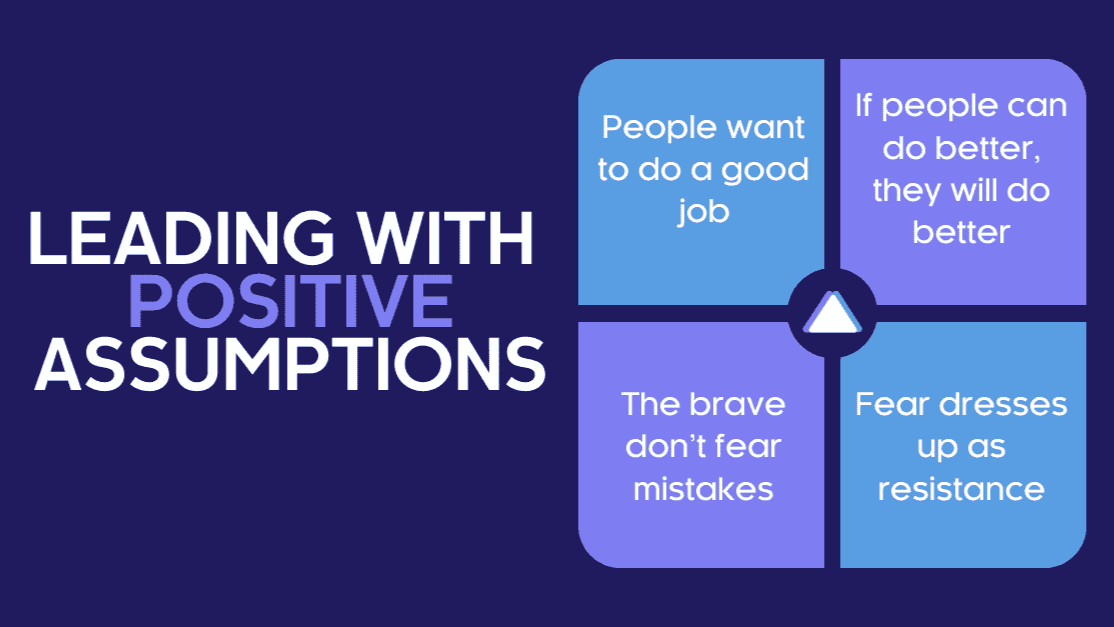
Go in with purpose. Set your mental GPS: are you here to coach, correct, collaborate, or all of the above? Clarity equals power. Be deliberate and clear about your mindset and the goal heading into the conversation.
2. Set the standard, like a boss (literally)
If expectations are vague, confusion reigns. Be crystal clear on what "great" looks like — and role model it like you mean it. Make sure you and your other leaders are aligned on the accepted standards, and you all know how to address slips in performance.
3. Play the ball, not the person
Performance issues aren't personality flaws. Keep your eye on the work, not the quirks. Feedback is not a character assassination mission. Focus on the underperformance or behaviour — that's the challenge, not the person themselves.
4. Channel your inner detective
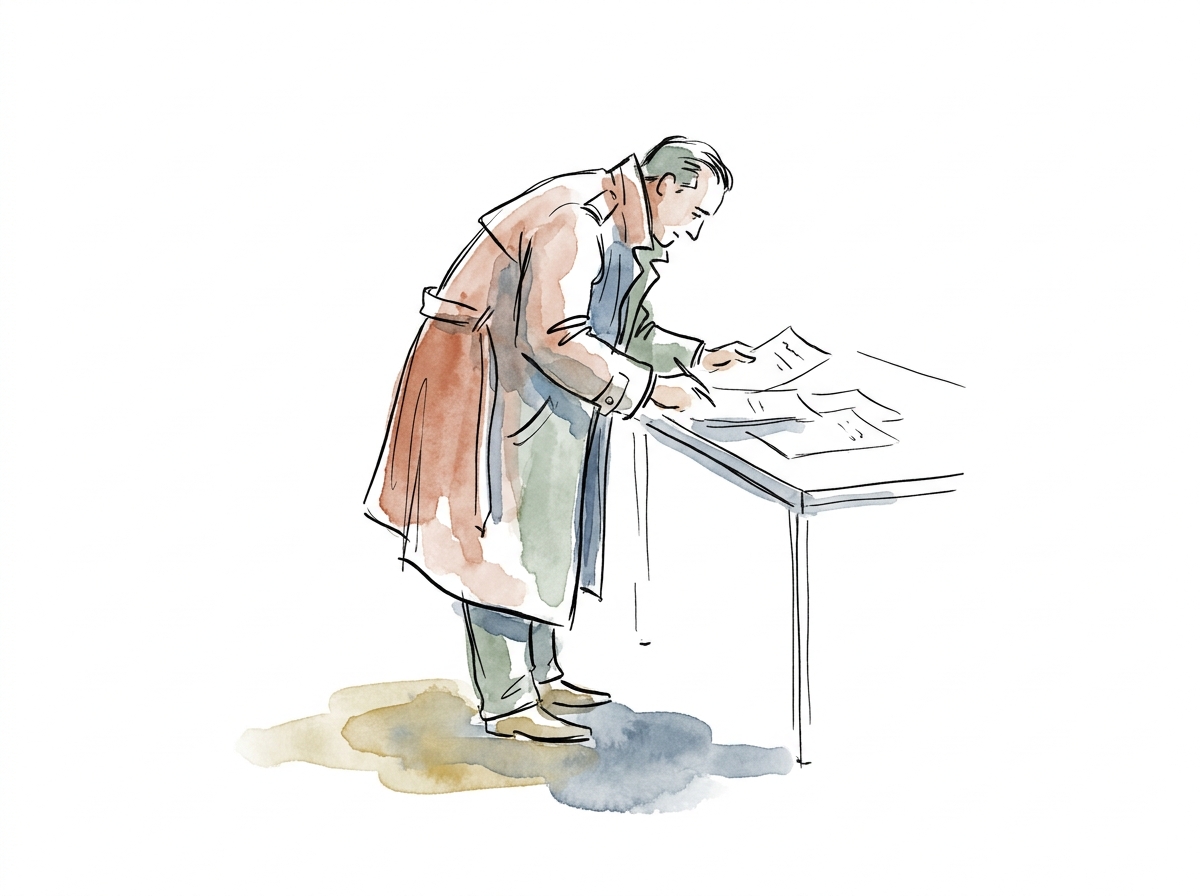
Ask, "And what else?" like it's your catchphrase. Dig deeper to understand what's really going on. Give space and time to unpack the factors impacting performance. Ask "and what else?" until barriers are exhausted. No need for a trench coat — just curiosity.
5. Drop the rope
This isn't a tug-of-war. You're not here to win an argument — you're here to solve a problem together. Let go of the ego rope. Focus on solving the problem, not winning the argument.
6. Clear is kind
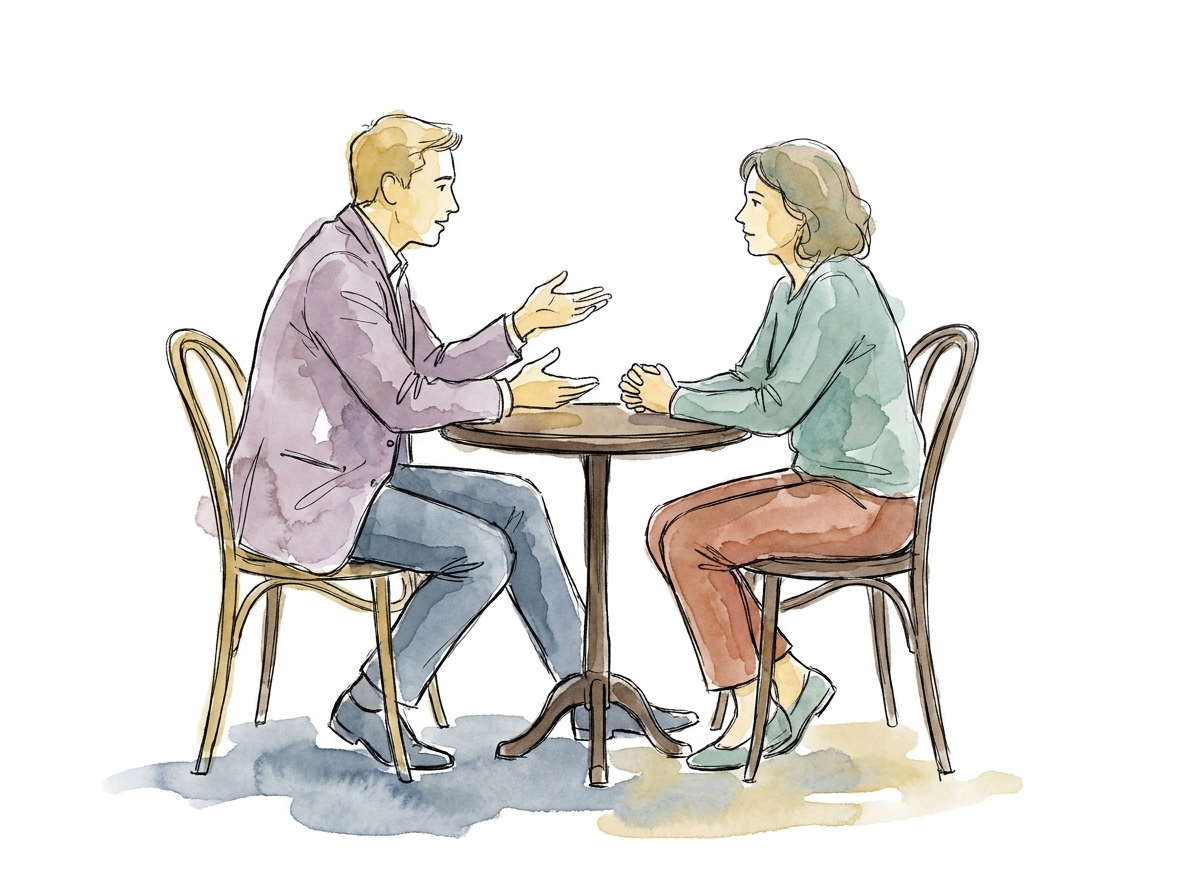
Say the thing. Gently, directly, and with kindness. Support them, but don't sugarcoat it until it's unrecognisable. Combine forthrightness with support — clear, direct feedback aimed at helping the person be the best version of themselves.
7. Close the loop
Wrap it up with a quick summary email. Confirm the commitments. Set the follow-up. Voilà — you're officially a grown-up. Summarise the conversation in writing with the mutual commitments, and set a follow-up time to check those commitments have been met.