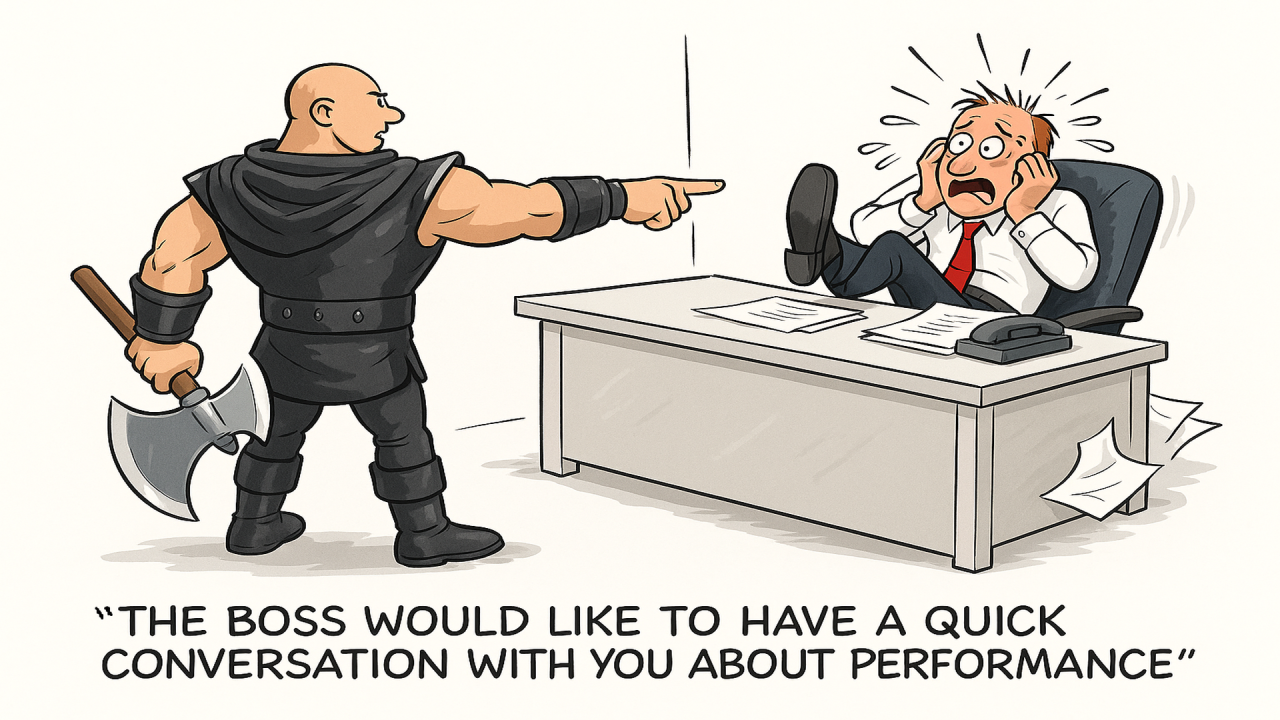

If you’re leading a business, you’ve likely experienced this firsthand: your strategy is sound, your structure looks right on paper — and yet, something isn’t landing. Engagement is patchy. Execution lags. Silos persist. It feels like a people problem, yet nothing you do seems to have the impact you want.
Culture change is complex. It’s not a communications campaign. It’s not a set of values on a wall. And it’s not something you can hand over to HR and hope it sticks.
At Tenaxiti, we’ve walked this road ourselves — both as executive leaders and alongside our partners as business psychologists. While every set of business conditions is unique, we’ve noticed recurring themes across the numerous projects we’ve been involved in.
This isn’t a toolkit of theory — it’s a practical, no-nonsense roadmap we’ve used with CEOs, ELTs, and frontline leaders navigating high-stakes transformation.
Step One: Start With You
Myth: “People are the problem.”
Reality: Culture starts with leadership assumptions, decisions, and behaviours.
Psychology Insight: Negative assumptions activate the brain’s threat system. Reframing improves empathy, decision-making, and outcomes.
Consider:
- Your mindset signals what’s acceptable.
- Your frame of others often becomes a self-fulfilling prophecy.
Common Risks:
- Allowing outliers to shape your overall view.
- Expecting buy-in before showing up differently yourself.
Step Two: Get the Real Story
Myth: “We already know what’s going on.”
Reality: Your direct reports are filtering — and culture is experienced, not announced.
Psychology Insight: Confirmation bias is the tendency to search for, interpret, and remember information in a way that confirms our pre-existing beliefs, expectations, or hypotheses—while giving less consideration to alternative possibilities.
What Works:
- Get data! Use a mix of tools: surveys, stay interviews, behavioural trend data.
- Don’t just collect input — signal that it’s safe to speak truth.
Common Risks:
- Responding defensively to uncomfortable feedback.
- Skipping sense-making before taking action.
Step Three: Drive the culture, or it will drive you
Myth: “Culture is seperate to strategy”
Reality: Strategy, culture and execution are intertwined — but culture has to be made tangible.
Psychology Insight: Ambiguity activates the amygdala—your brain’s threat detector. Clear expectations reduce perceived threat and enable focus.
What Works:
- Build a culture strategy with tangible actions, starting with the end in mind.
- Be obsessed with role clarity, recognition, and decision-making.
- Build in cultural nudges or prompts that support and reinforce desired behaviours.
Common Risks:
- Leaving culture to look after itself.
- Seeing culture as one-and-done rather than a habit, a routine, and a constant.
Step Four: Obsess over execution and measure progress.
Myth: “We’ve launched the values — now the shift will happen.”
Reality: Without operational rhythm and executive ownership, plans stall.
Psychology Insight: Our brains learn through pattern and repetition. Culture embeds through consistency.
What Works:
- Make culture actions part of business reviews, not separate.
- Allocate clear owners and timelines for initiatives.
Common Risks:
- Overcomplicating or under-communicating priorities.
- Treating culture as an annual initiative, not a leadership responsibility.
- Reducing the focus once that pain goes away.
Step Five: Focus on a common goal.
Myth: “We’ve messaged it — people should know what we stand for.”
Reality: In change, attention is fragmented. Leaders must reinforce meaning repeatedly.
Psychology Insight: Emotion enhances memory. Shared purpose strengthens social cohesion. Create Attention Density by focusing on key messages and repeating them—over and over and over—until they’re impossible to forget.
What Works:
- Create a simple message that captures your why.
- Link it visibly to decisions, metrics, and milestones.
Common Risks:
- Assuming one launch is enough.
- Using generic language that doesn’t connect emotionally.
Step Six: Act, Don’t Wait
Myth: “We’ll act once the timing is right.”
Reality: Conditions are rarely perfect. Change gains traction through visible progress.
Psychology Insight: Progress triggers dopamine — reinforcing commitment.
What Works:
- Start with early wins to build belief.
- Create feedback loops that allow for real-time course correction.
Common Risks:
- Tolerating misalignment from senior leaders.
- Losing momentum once external pressure fades.
Step Seven: Reinforce & Keep Listening
Myth: “We’ve communicated the change — now it’s embedded.”
Reality: Culture is dynamic. Sustained change requires feedback, reinforcement, and role modelling.
Psychology Insight: Without reinforcement, the brain reverts to familiar patterns/old habits. Recognition cements behaviour.
What Works:
- Regularly review cultural indicators (e.g. turnover, safety, inclusion).
- Recognise aligned behaviour at all levels — not just results.
Common Risks:
- Focusing only on formal data and missing informal signals.
- Assuming silence equals alignment.
At Tenaxiti Business Psychology, we’ve partnered with organisations to build positive cultures and achieve cultural awards through meaningful, lasting improvements. If you’re looking for a practical and sustainable way to shift culture and unlock the full potential of your greatest asset—your people—let’s talk.
Let’s chat. Anthony@tenaxiti.com.au
Or visit tenaxiti.com.au to learn more.
What’s one culture myth you’ve seen still holding teams back? Would love to hear.