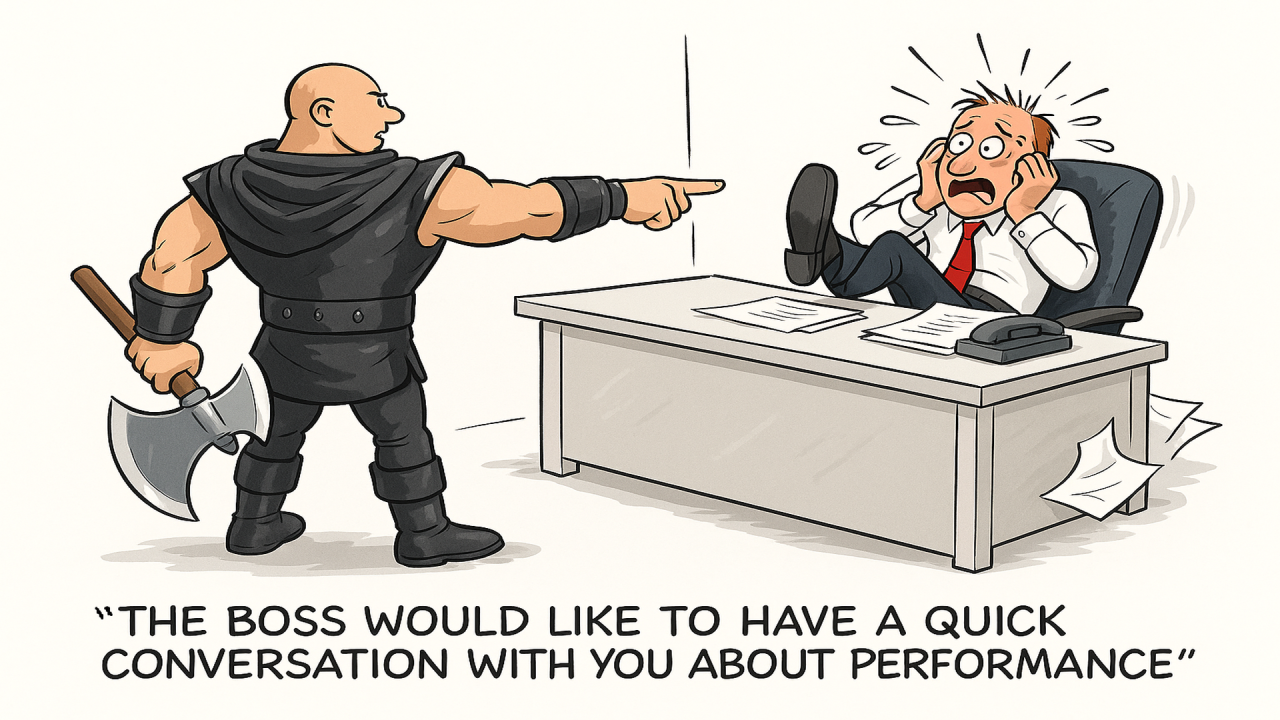

Let’s face it—performance convos can feel like flossing: necessary, uncomfortable, and easy to avoid. However avoiding a bit of discomfort now can turn into a costly and painful experience later on.
When handled well, performance conversations can be constructive, clarifying, and even empowering. Here are seven practical tips to help you make them count.
1. Don’t wait until the team member is in the exit lounge.
Early and often is the key! Performance issues are rarely one-off events. They build over time. The earlier you address them, the easier they are to resolve. A feedback culture—where open communication is encouraged—allows for small course corrections rather than major interventions. Frequent, timely check-ins help keep people on track and reduce anxiety around feedback.
2. Choose Your Frame, Control the Game
Your mindset sets the tone. Are you entering the conversation to coach, correct, collaborate—or a mix of all three? Know your purpose before you begin. When you’re clear about your intentions, the conversation becomes more focused, more respectful, and far more effective.
3. Set the Standard
If expectations are unclear, confusion is inevitable. Be explicit about what good performance looks like—and make sure you’re modeling it yourself. Consistency from leadership sets a powerful example. Clarify the standards, communicate them regularly, and address deviations with confidence and calm.
4. Play the Ball, Not the Person
When addressing underperformance, focus on the behaviour or results—not the individual’s character. Feedback should never feel like a personal attack. This helps prevent defensiveness and keeps the conversation solution-focused. It’s not about blame; it’s about improvement.
5. Channel Your Inner Detective
Great leaders are great listeners. Don’t assume you have the full picture. Ask open-ended questions like, “What else is going on?” or “What’s been getting in your way?” Then keep listening. Often, there are underlying issues—systemic barriers, unclear priorities, or personal challenges—that need to be understood before performance can improve.
6. Drop the Rope
Performance conversations shouldn’t feel like a tug-of-war. You’re not there to “win” the discussion—you’re there to solve a problem together. Let go of the ego, ditch the power struggle, and aim for collaboration. When people feel heard and supported, they’re more likely to take ownership of the solution.
7. Clear is Kind
Say what needs to be said. Be direct, honest, and respectful. Sugarcoating feedback can lead to confusion or false reassurance. Clarity shows you care enough to be honest. Pair it with empathy, and you’ll build trust—even in tough conversations.
Bonus: Close the Loop
After the conversation, follow up. Send a short summary of what was discussed, including any agreed-upon actions and next steps. Then, book a time to revisit progress. This not only reinforces accountability but also signals that you’re serious about supporting improvement.
Final Thought
The goal of performance conversations isn’t perfection—it’s progress. With the right mindset and approach, these conversations can be powerful tools for growth, alignment, and building trust. Done well, they’re not just necessary—they’re transformative.
Want to learn how to embed more impactful performance conversations into your business culture? Email me at anthony@tenaxiti.com.au or visit our website at tenaxiti.com.au.