Five questions for an honest leadership-team health check
Most leadership teams know something is not right before they can name it. Performance is below expectation in ways that are hard to attribute. Certain conversations keep recurring without resolution. The team is working hard but not making visible progress on the things that matter most. The instinct is to look for an external cause — market conditions, organisational structure, talent gaps. The more productive question is: what is the team doing, or not doing, that is contributing to this?
A health check is not a 360 or a culture survey. It is a focused, honest conversation that a leadership team holds with itself, using a small number of specific questions designed to surface the things the team has been working around. The value is not in the diagnostic instrument — it is in the quality of the conversation it generates.
The five questions cover the areas that most consistently drive or limit leadership team performance: clarity on direction and priority, quality of decision-making, strength of commitment and follow-through, how conflict and disagreement are handled, and how the team manages its own health and renewal. Each question is asked directly and answered honestly, with space for each member to respond before the team discusses.
Setting the room correctly is as important as the questions themselves. A health check conducted by the leader, in their own meeting, with normal power dynamics in play, will not surface the things that matter most. The conditions for honest assessment — temporary suspension of hierarchy, an agreed norm that critical observations are offered in good faith, and a facilitator who is genuinely neutral — have to be established before the first question is asked.
This session works through all five questions, the facilitation structure that produces useful responses, and the options for what to do with the output — including how to prioritise which issues to address first and what a realistic commitment looks like at the end of the session.

Treat your meeting cadence like a product
Wed 11 September 2025 · 38 min
Commit, don't comply: how leadership teams really agree
Wed 9 July 2026, 11:00 AEST · 40 min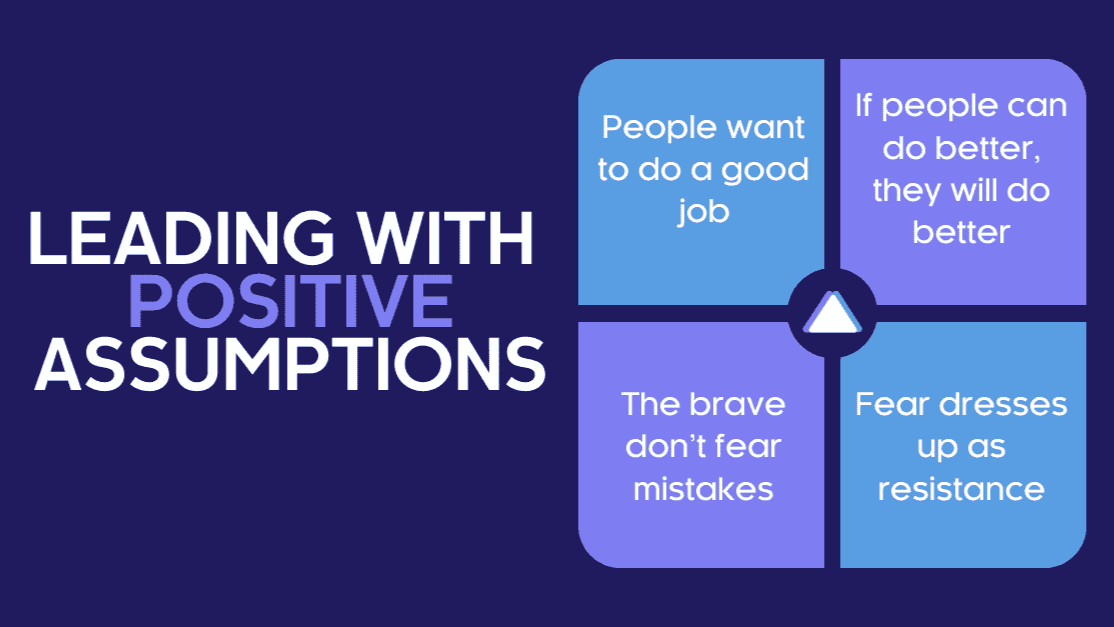
Four positive assumptions that turn mistakes into growth
Anthony Gibbs
Designing an offsite that actually changes things
Tue 17 June 2026, 11:00 AEST · 45 min
A meeting rhythm that actually moves work
Operating Rhythm, Execution, MeetingsFebruary 2026 · 8 min read
Are you busy being inefficient?
Anthony Gibbs
Execution is often where strategy breaks
Execution, Strategy, Operating RhythmMay 2026 · 10 min read
The four types of conflict that trip teams up and how to lead through them
Tenaxiti