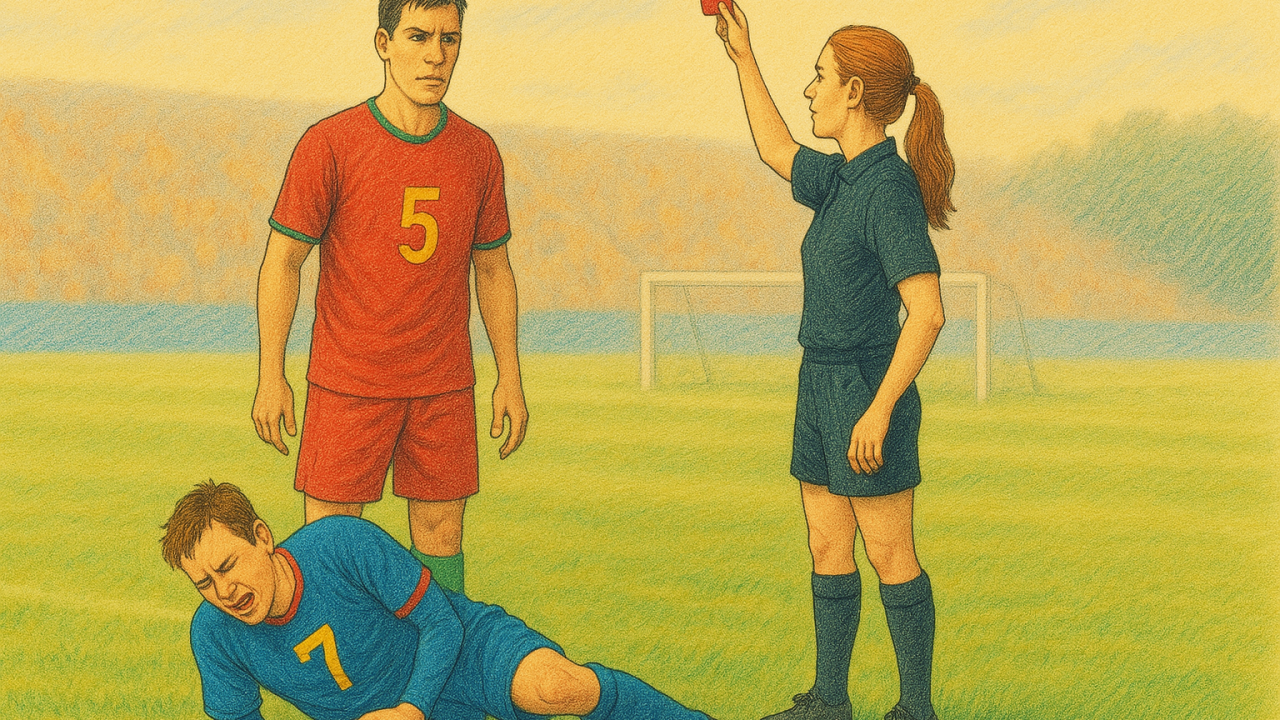
Most workplaces say they want “accountability”. But often it means: wait for something to go wrong, find who stuffed up, and deal out blame. Or worse, complain about the thing or person and never address it/them directly.
If that’s “holding people to account”, I’m not so sure it’s working.
In fact, it teaches people to play it safe, hide mistakes, and point fingers.
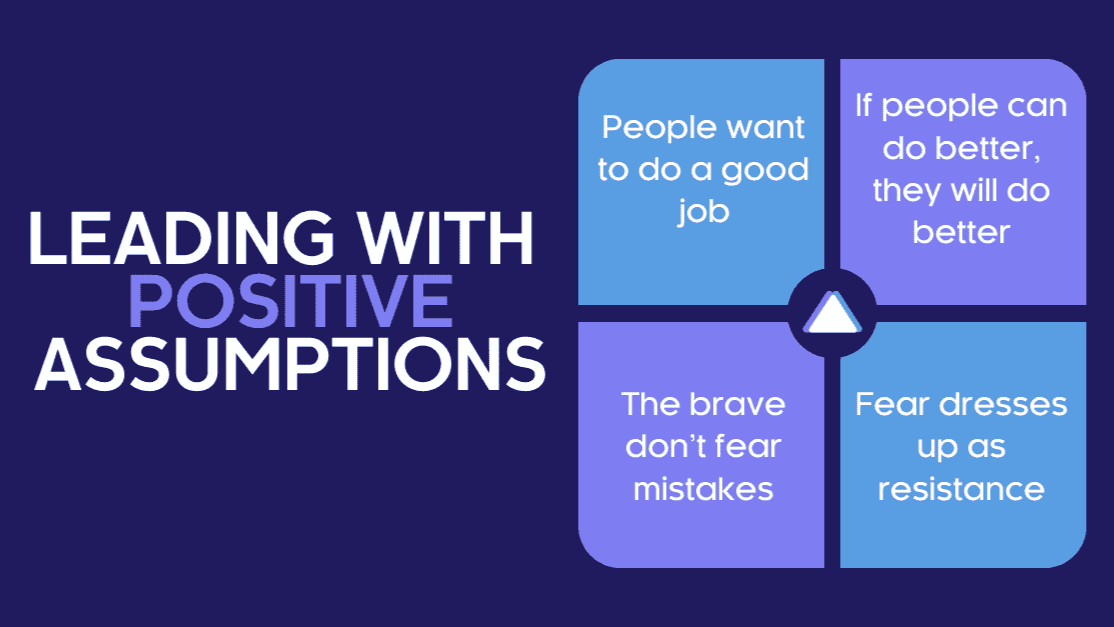
A stronger goal is felt accountability. That’s when people own the outcome because expectations are clear, the work matters, and they believe they’ll be treated fairly. Research describes felt accountability as our “perceptions of one’s personal accountability”.
The shift looks like this:
- Old school: “Who’s at fault?” → fear → blame → avoidance
- Modern: “What did we agree?” → clarity → follow-through → learning
Modern accountability needs two tool sets:
Proactive (before the work):
- Choose the critical few objectives and make them clear.
- Live the vision and values, and make sure your words and actions reflect the objectives.
- Engage and consult — get input and address issues early and often.
Responsive (after the work):
- Account openly — share results transparently, with regular, open, and direct communication.
- Recognise and reinforce safety — hunt the good stuff and foster psychological safety.
Accountability shouldn’t be just a hammer or just a consequence. It can be a shared commitment, a feeling, and a system — with teeth.
If you want to know more, join our free webinar: https://lnkd.in/ggavBFGK