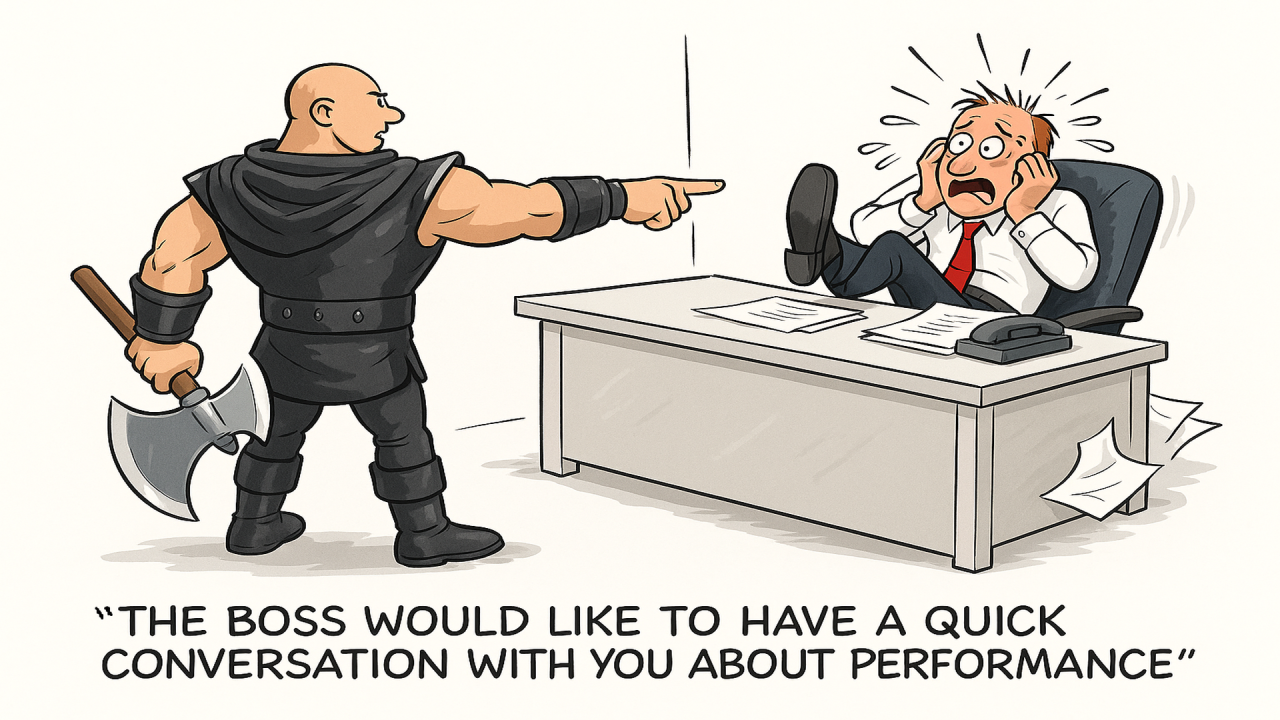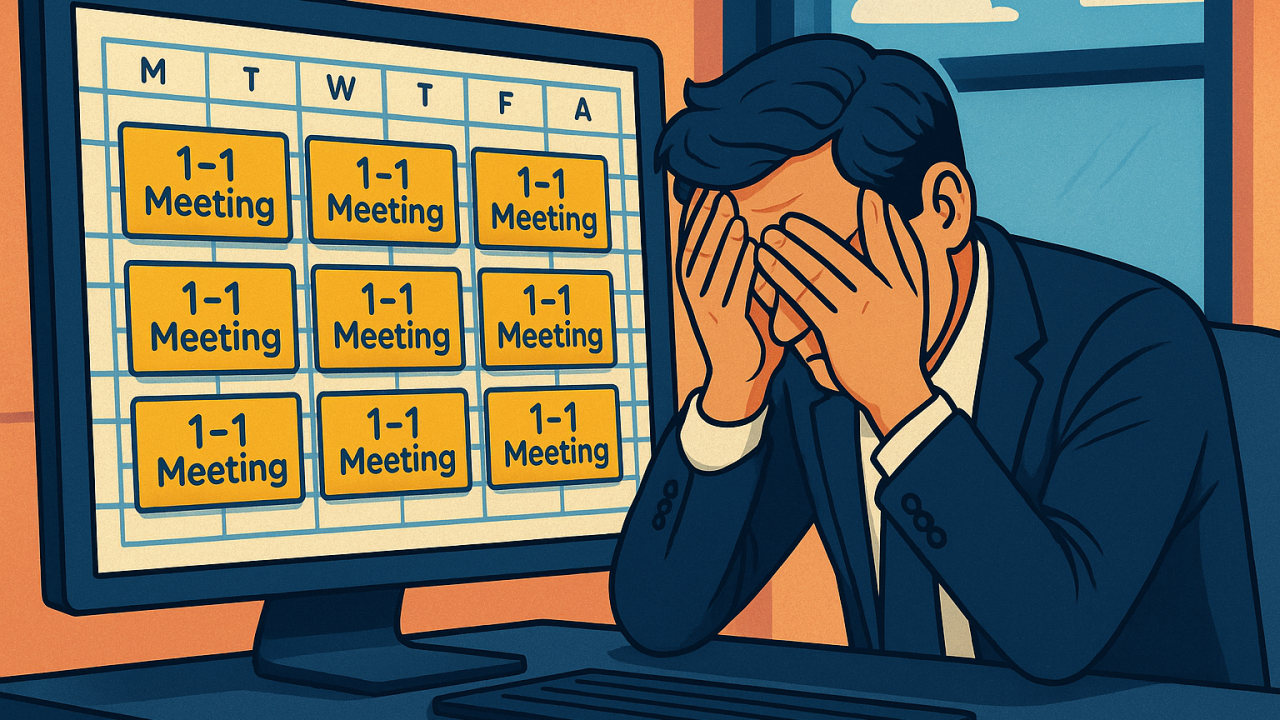

You’ve got a 1:1 with Joe. And the dread kicks in.
You think… “Can I cancel? Fake an emergency? Goldfish funeral?” Too late—Joe’s already logged in.
That feeling? It can go both ways—team member or leader. And what follows usually looks like one (or more) of these:
- 45 minutes of problems, no solutions
- A 15-minute “all good” chat… then they go off and do something totally different
- 20 minutes of small talk, zero clarity on goals, blockers, or priorities
Sound familiar?
If your 1:1s feel like a waste of time—they probably are.
But here’s the thing: when done well, 1:1s are one of the most powerful tools in your leadership kit. When done poorly? They drain energy, kill trust, and cost the business time and money.
Why Great 1:1s Matter
- Spot small problems before they become big ones — Misalignment, missed context, early signs of burnout—you catch it all early when you talk regularly.
- Get clear and stay focused — 1:1s are the space to sort priorities, make quick calls, and stay aligned on what actually matters.
- Drive accountability — When you know you’ll check in again soon, you’re more likely to follow through.
- Keep your people — People don’t leave jobs—they leave managers who don’t listen. A solid 1:1 is one of the best retention tools going.
- Make better, faster decisions — Ask better questions, get better info, make smarter calls. Simple.
Let’s Fix It: The 6 Habits of Great 1:1s
1. Set the rhythm – Make it regular. Stick to it.
Don’t treat 1:1s like optional extras. They’re the heartbeat of trust and alignment.
Start with 30–45 mins per week. From there, dial it up or down depending on what’s going on:
- If things are messy, unclear, or moving fast—ramp it up.
- If things are solid—pull back a little, but keep it consistent in agreement with your team member.
2. Show up, fully – Not just your body. Bring your brain.
No emails. No Teams messages. No checking your phone. Being fully present tells your team: “You matter.” You’re there—so you might as well get the most out of the time you’re investing.
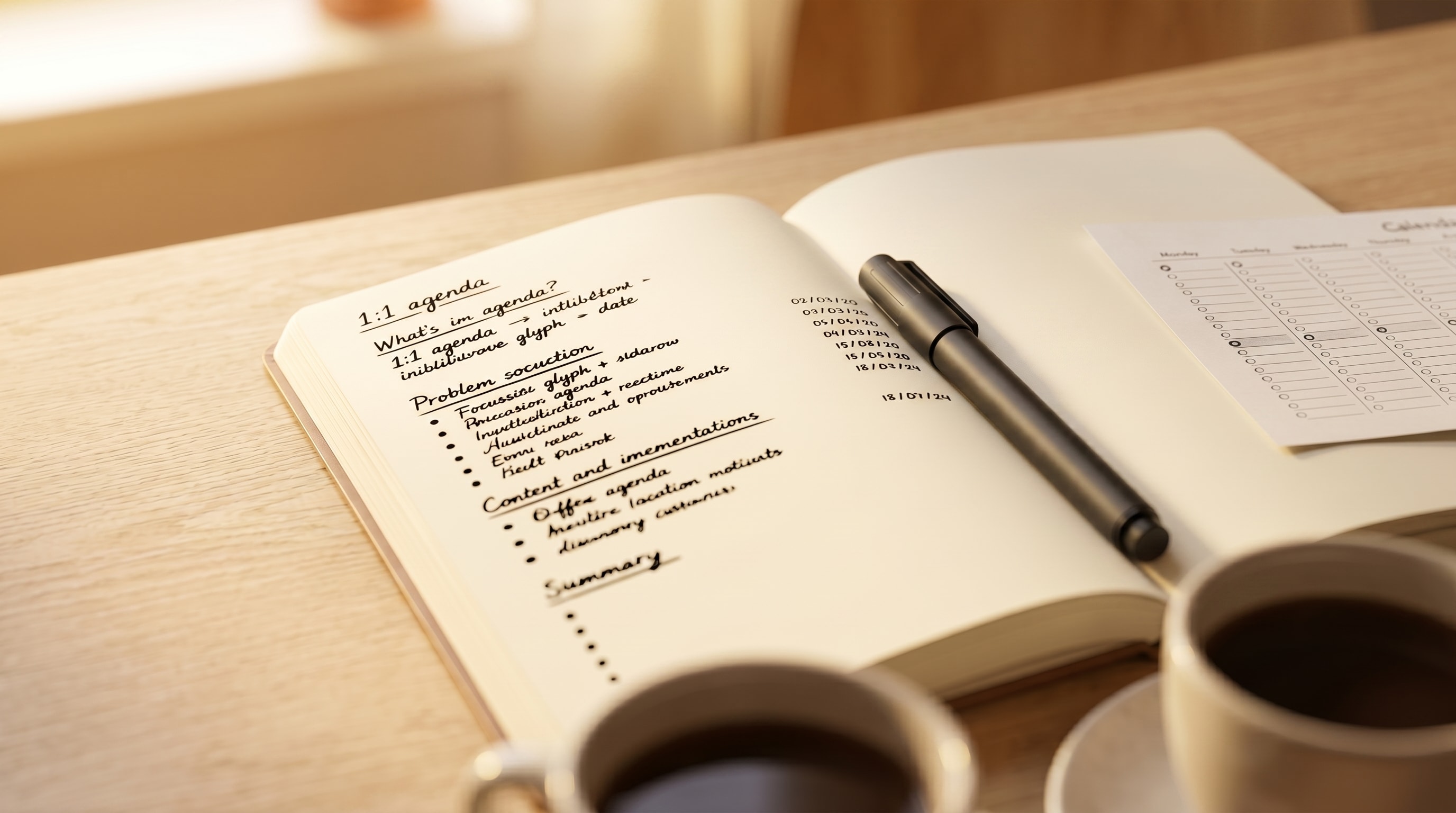
3. Have an agenda – Even 3 dot points is better than winging it.
Agendas create structure without killing the vibe.
They help you balance the urgent stuff with the bigger picture—like team development, risks, and future plans. Without one? You just end up chasing whatever’s loudest that week, regressing to small talk and taking your eye off what actually needs to be executed.
4. 2 ears, 1 mouth – Use them proportionately.
Resist the urge to fix everything. Ask. Then actually listen.
Curious questions switch on the brain and invite honest answers. Try:
- “What’s getting in your way this week?”
- “What do you need more of—from me or others?”
- “What’s not working?”
5. Write it down – Notes = action. Action = progress.
Don’t rely on memory. Capture the key stuff: Wins. Challenges. Decisions. Follow-ups.
Taking notes shows you care—and gives both of you a clear record to look back on.
6. Ask for feedback – What’s working? What’s not?
Don’t assume your 1:1s are helpful. Ask.
It’s not just about coaching the person—it’s about improving the meeting itself.
Final Thought
Bad 1:1s waste time. Great ones build trust, sharpen focus, and drive performance.
If your 1:1s are:
- Too casual
- Too rigid
- Too long
- Too short
- Too quiet
- Too all-about-you
…it’s time to run them better.
Not with more meetings. But with more intention.
Show up. Prep a bit. Ask good questions. Take notes. Check in. Improve as you go.
Because a great 1:1 isn’t just a meeting—it’s your best chance to lead well, one conversation at a time.
Want more brain-based tools to boost your productivity or support your team?
Reach out at anthony@tenaxiti.com.au
Or visit Tenaxiti.com.au