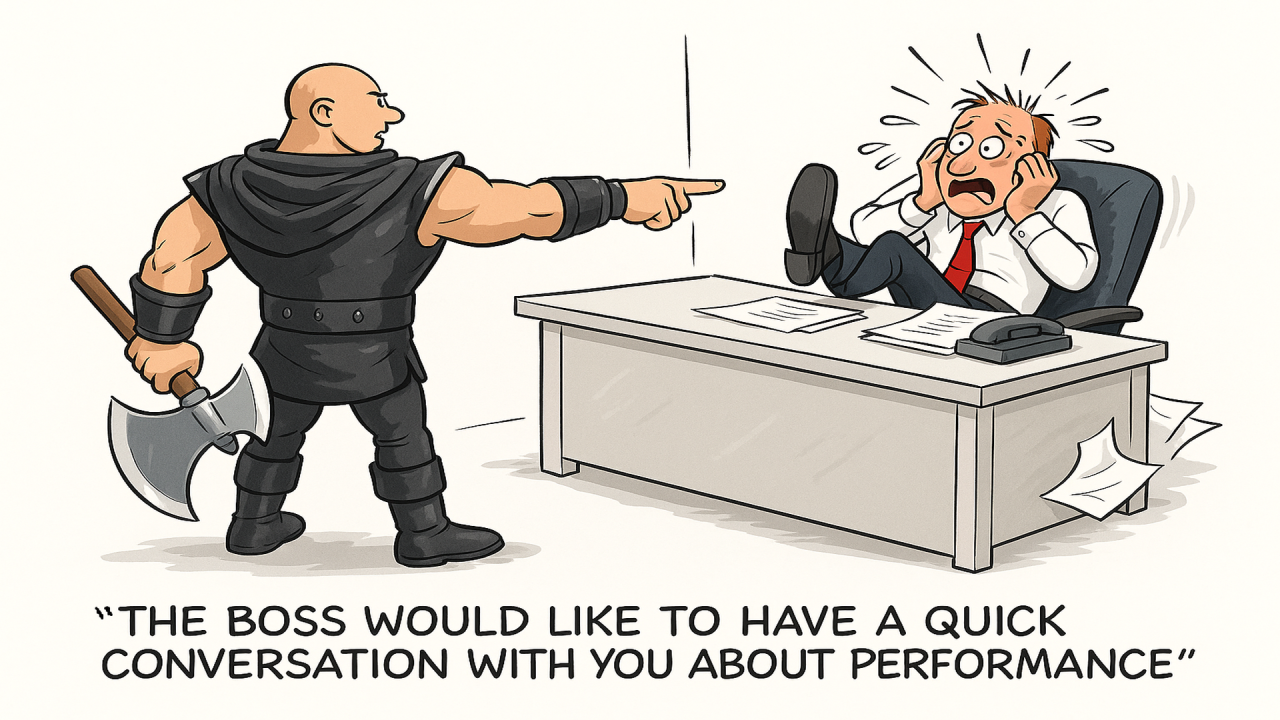
Ever found yourself at the end of a 60-hour work week, wondering what you actually got done? You’re not alone. Many of us are clocking long hours, running from one meeting to the next, answering messages at all hours—but still feeling like we’re not making a dent in the things that matter.
Here’s the uncomfortable truth: busy doesn’t always mean effective. In fact, it often means the opposite.
When you’re always “on,” stretched thin, or scrambling from task to task, you’re not just sacrificing your sanity—you’re diminishing your own value. If you’re working 60 hours to get 40 hours of value, your hourly rate (and effectiveness) just took a nosedive. And all that lost time? That’s time you could be spending with people you love or doing things that recharge your batteries.
So, how do the world’s most effective people manage their time differently? Let’s unpack some practical, proven strategies for getting more done in less time—without losing your marbles.
1. They don’t let meetings take over their life.
Let’s start with the big one: meetings.
Jeff Bezos reportedly banned PowerPoints at Amazon meetings and instead had execs silently read six-page memos together before discussing. Why? Because it forced clarity and focus.
Barack Obama famously limited decision-making meetings to just a few people and kept them short.
What you can try:
- Only accept meetings with a clear purpose and agenda.
- Cut your standard meeting length by 25%—try 45-minute slots instead of an hour.
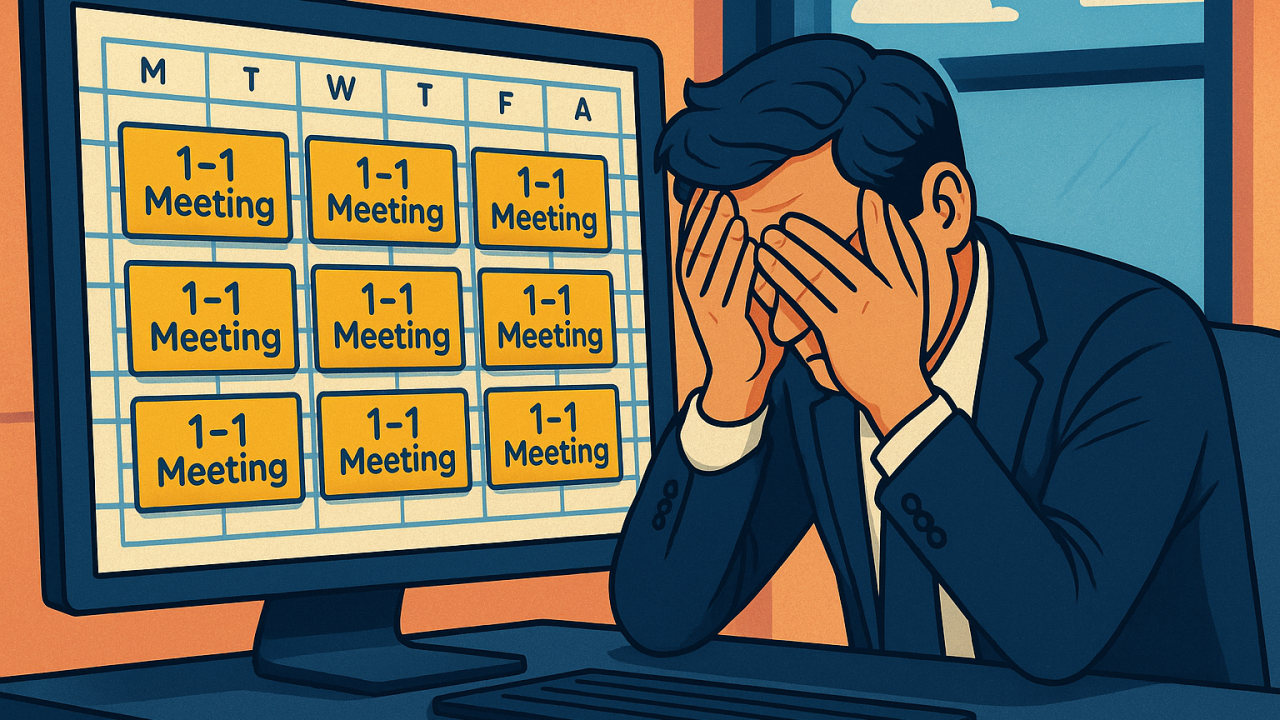
- Batch similar meetings (e.g., all one-on-ones on Thursdays) to reduce mental switching.
- If you’re a leader, experiment with a “no meeting half-day” or even a whole day each week. It’s amazing what you can get done when you’re not being interrupted every 30 minutes.
2. They protect their focus like it’s gold (because it is).
Cal Newport coined the term Deep Work—the kind of focused, uninterrupted work that lets you actually move the needle. It’s where creativity, strategy, and big thinking happen.
People like Sheryl Sandberg and Jacinda Ardern have publicly emphasised the need to structure time and ruthlessly protect their attention. Focus isn’t just about avoiding distraction—it’s about making space to think clearly and lead intentionally.
Highly effective people schedule this kind of work and treat it like a sacred appointment. No pings, no multitasking, no “just quickly checking emails.”

What you can try:
- Block out deep work time in your calendar—ideally in the morning when your brain is fresh.
- Turn off notifications. Yes, all of them.
- Use the Pomodoro technique (25 mins focused work, 5 min break) to train your brain back into focus mode.
- Leave shallow tasks like email batching, admin or approvals for your low-energy times (like mid-afternoon).
3. They don’t waste energy on tiny decisions.
Steve Jobs wore the same outfit every day. Obama had only two suit colours. Why? Because decision fatigue is real—and wasting brainpower on trivial choices makes you slower when the big calls come.
As a leader, your day is full of choices. But not all decisions deserve equal weight.
What you can try:
- Default or automate low-stakes decisions (lunch orders, outfits, daily routines).
- Set up team guidelines so others can make decisions without you. Melanie Perkins, CEO of Canva, is known for simplifying decision-making across her team through clear principles and shared accountability.
- Save your thinking for the calls that matter—strategic moves, people leadership, risk management.

4. They design their days intentionally.
If you’re in a senior leadership or executive role, your day should probably be split roughly like this:
- 30–40% on Deep Work — Strategy, planning, writing, reviewing, or creating. Work only you can do.
- 30–40% on High-Value Interactions — Meetings, stakeholder discussions, influencing, decision-making forums.
- 20–30% on Slack Time or space. The breathing room that lets you respond to opportunities, crises, or coach your team in the moment. It’s where adaptive leadership lives.
If you’ve got no slack time, you’re not leading—you’re reacting.
What you can try:
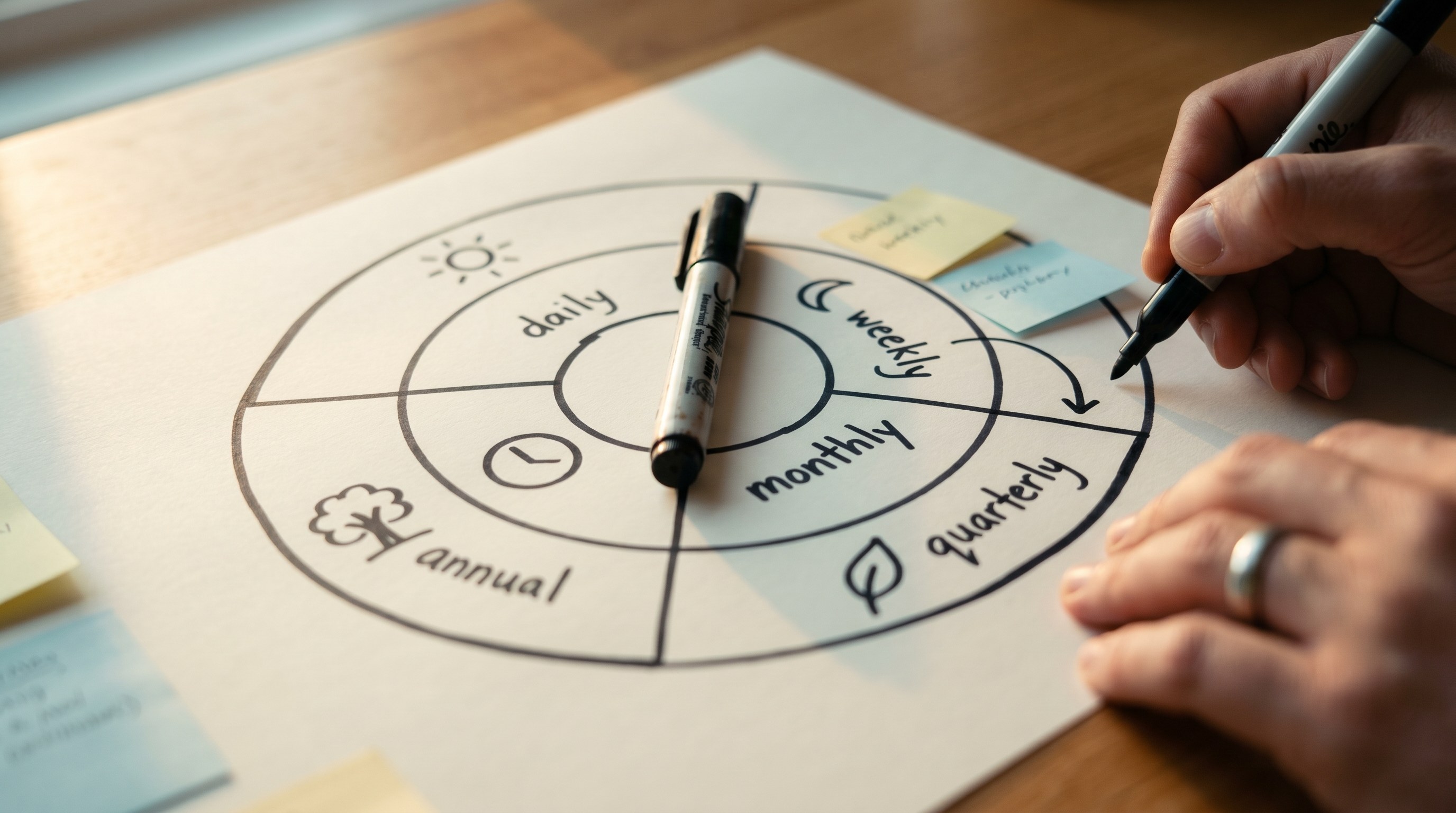
- Review your calendar weekly: does your time align with your value?
- Colour-code your calendar: blue for deep work, red for meetings, yellow for slack time. You’ll spot the imbalance fast.
- Say no to more things. If it’s not aligned with your goals, it’s a maybe later—or a flat-out no.
5. They ruthlessly prioritise.
Highly effective people don’t do more. They do less, better.
Warren Buffett has a “two-list strategy”:
- Write down your top 25 career goals.
- Circle the top 5.
- Avoid the other 20 like the plague.
Why? Because those 20 are your biggest distractions. They seem important—but they stop you from focusing on what truly matters.
What you can try:
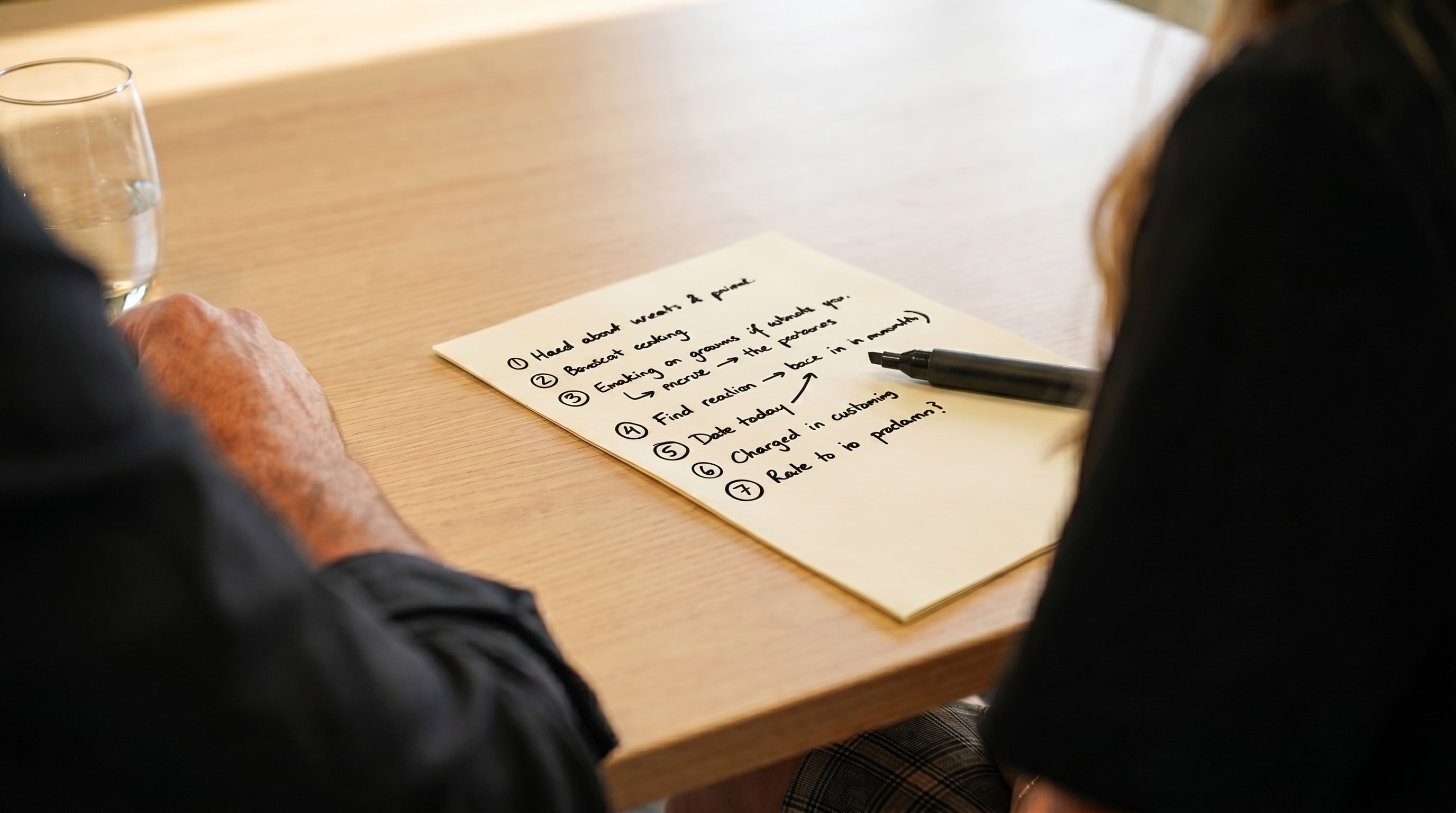
- Start each week by identifying your “big 3”—the three things that will make the biggest difference.
- Review your to-do list. What can be deleted, delegated, or delayed?
- End your day by setting tomorrow’s top priority. One thing. Not five.
Identifying and locking in the Big Three each day has been a total game changer for me. There’s something really satisfying about being able to say, “Yep, those three things — done.” It gives you a real sense that you’ve moved the dial, not just spun your wheels.
It’s not about doing more. It’s about doing less with more purpose.
If you’re feeling exhausted but underproductive, it might be time to stop pushing harder—and start working smarter.
Reclaim your time. Guard your focus. Make fewer, better decisions. And build in the breathing room that leadership actually requires.
Because life’s too short for 12-hour days filled with meetings about meetings.
Job done, now I’m going fishing.
Want more brain-based tools to boost your productivity or support your team?
Reach out at anthony@tenaxiti.com.au
Or visit Tenaxiti.com.au