Think about the last time someone on your leadership team brought you news you didn't want to hear. How did you react, and what do you think they took away from it?
Whatever they took away went into a running calculation. Every time we work with someone, our brains are asking two questions: should I trust you, and how much do you trust me?
Why it matters
There's solid evidence that trust pays off. A meta-analysis of 112 studies covering more than 7,700 teams found that teams whose members trust each other perform better, even after allowing for trust in the leader and past performance. And in a study of 150 supervisor–worker pairs in the UK oil industry, good safety leadership got people speaking up about safety by building trust.
How the brain decides
Two abilities make trust possible. The first is understanding someone well enough to predict what they are likely to think and what they will do in a situation. The second is empathy, being able to feel what they're feeling.

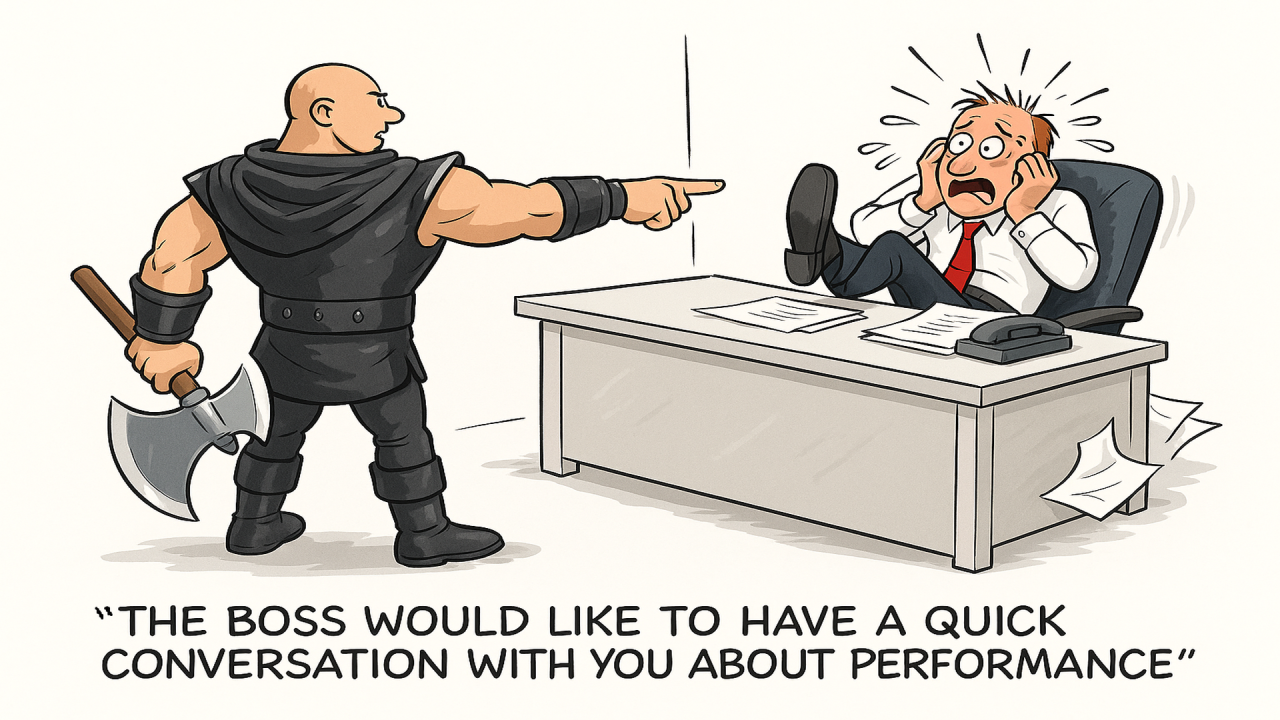
From there, we weigh up three things about the other person: whether they can do the job, whether they want to do right by me, and whether their actions match their words. Being predictable isn't enough. A boss who always shoots the messenger is completely predictable, and nobody rushes to bring them bad news. On a site or in a plant, that's often how a small problem becomes a big one.
Trust arrives on foot and leaves on horseback
Trust takes months of small, consistent moments to build, and one bad one can undo it. Because people take their cues from the leader, a leader's bad moments cost the most. Fear works for a while, but once people know they'll cop it no matter what, they keep their heads down and do the minimum. Dominance does lasting damage, because the brain processes social rejection much like physical pain, and the hurt hangs around longer.
Leaders can easily miss the damage, because they tend to feel safer than the people below them. A 2025 survey of 2,001 workers across Australia and New Zealand found 83% of senior leaders felt safe challenging the status quo, compared with 65% of middle managers and below.
The best way to get trust is to give trust
Then there's the second question: how much do you trust me? People can't see trust, only behaviour, and they respond in kind. In one study of project teams, when one team took a risk on another, that team trusted them more and took risks back, and the cycle kept repeating. They were student teams, but anyone who has sat around an executive table will recognise the pattern.
Someone has to go first, and in an executive team the obvious person is the CEO. That might mean sharing a problem before it's solved or handing over a decision they'd normally hang on to.

Design the team culture you want, or get what you get
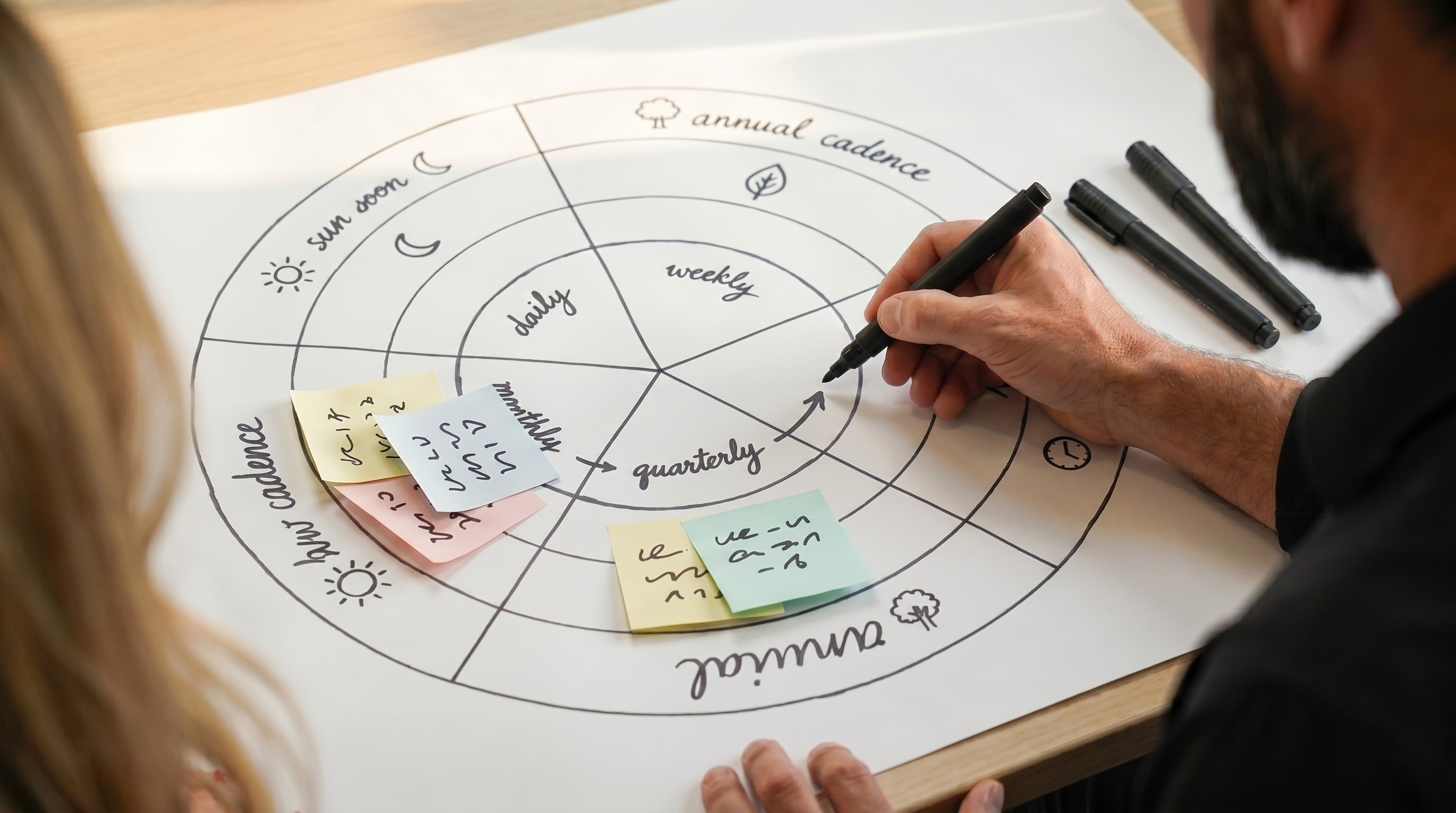
Every leadership team has a culture, whether anyone designed it or not, and trust is a big part of it. The teams that get the culture they want plan it deliberately. They sit down and get aligned on how they'll work together, including what happens when someone brings bad news. And they make space for it. A team that only meets to run the business never gets around to building itself, so the time for it needs protecting, not squeezing in at the end of the ops meeting.
The behaviours that build trust are small: keeping everyone in the loop and making it safe to be candid when it's uncomfortable. They take at least 90 days to become habits, so expect a quarter before people believe them.
A few questions to put to your team, in writing first, so the most senior voice doesn't set the answer:
When someone brought bad news early, what happened next?
Who's willing to go first, and on what?
What will we do differently for the next 90 days?
In our work with executive teams, building trust on purpose starts with understanding where it's breaking down and why. Then we shape a few behaviours the team commits to, and embed them in how the team runs week to week, so they hold under pressure.
If that's a conversation your team is ready for, we're always happy to have it over a coffee.
Sources
- Paul J. Zak, How Our Brains Decide When to Trust, HBR.org, 18.07.2019
- HBR Editors, Our Favorite Management Tips on Building Trust on Your Team, HBR.org, 25.02.2026
- Sonder with YouGov, The Safety Gap Report 2025, July 2025
- Paul J. Zak, The Neuroscience of Trust, Harvard Business Review, January–February 2017
- Bart A. de Jong, Kurt T. Dirks and Nicole Gillespie, Trust and team performance: A meta-analysis of main effects, moderators, and covariates, Journal of Applied Psychology, 2016
- Roger C. Mayer, James H. Davis and F. David Schoorman, An Integrative Model of Organizational Trust, Academy of Management Review, July 1995
- Mark A. Serva, Mark A. Fuller and Roger C. Mayer, The Reciprocal Nature of Trust: A Longitudinal Study of Interacting Teams, Journal of Organizational Behavior, September 2005
- Stacey M. Conchie, Paul J. Taylor and Ian J. Donald, Promoting safety voice with safety-specific transformational leadership: The mediating role of two dimensions of trust, Journal of Occupational Health Psychology, January 2012